

Box Structure & Dieline Planning
Learn how cut, fold, bleed, and safety lines work for the box styles we build most often. We prepare the production dieline to your exact dimensions and material as part of your project.
Built to your size
Explore every GetPrintedBox box template
Choose a structural style to see its gallery, construction views, dieline reference, and quote details. Production dielines are prepared to your exact dimensions after quoting.
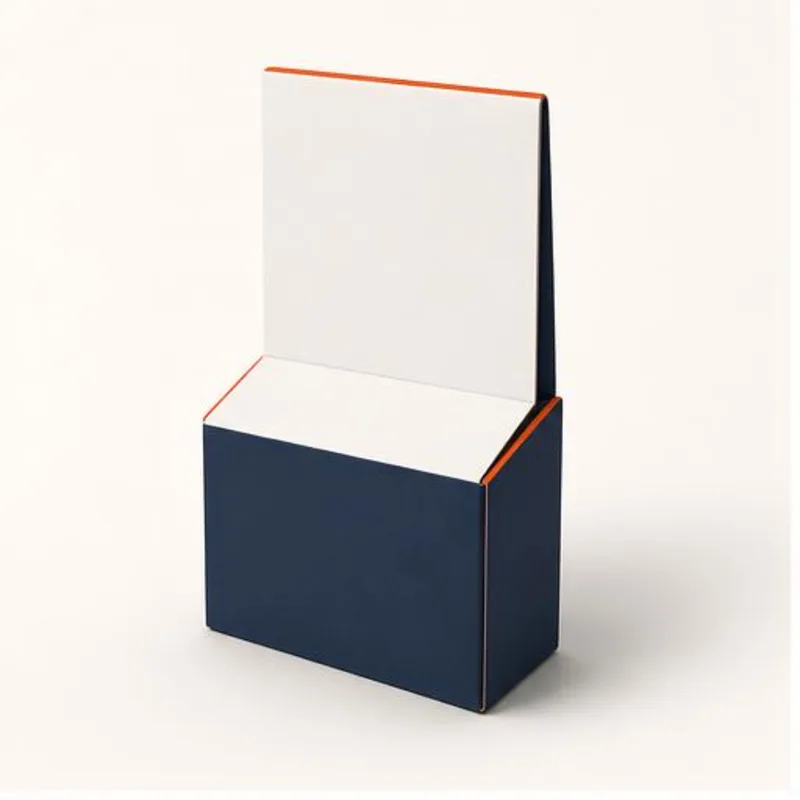
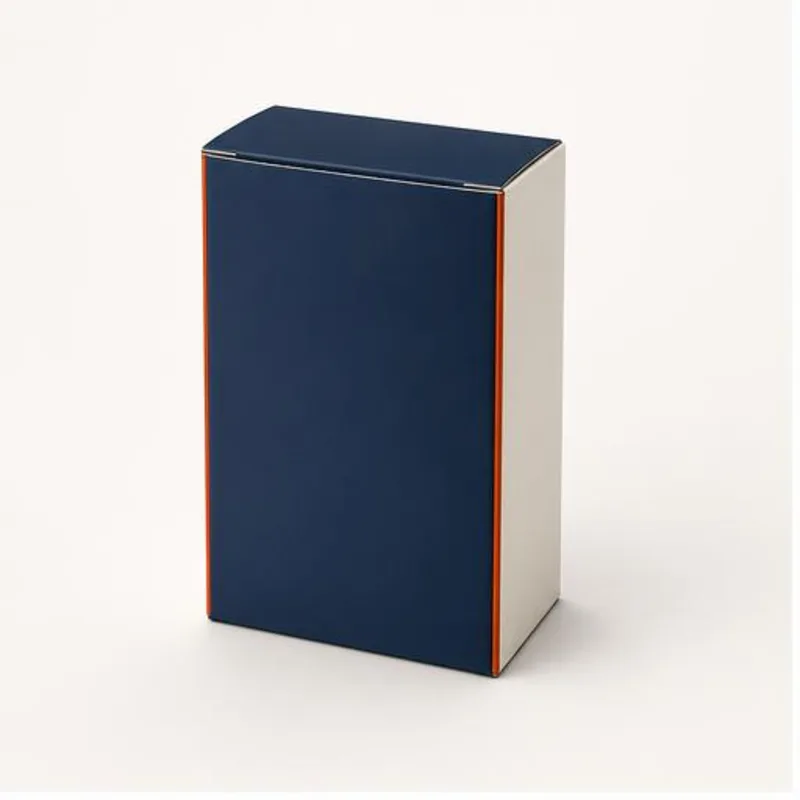
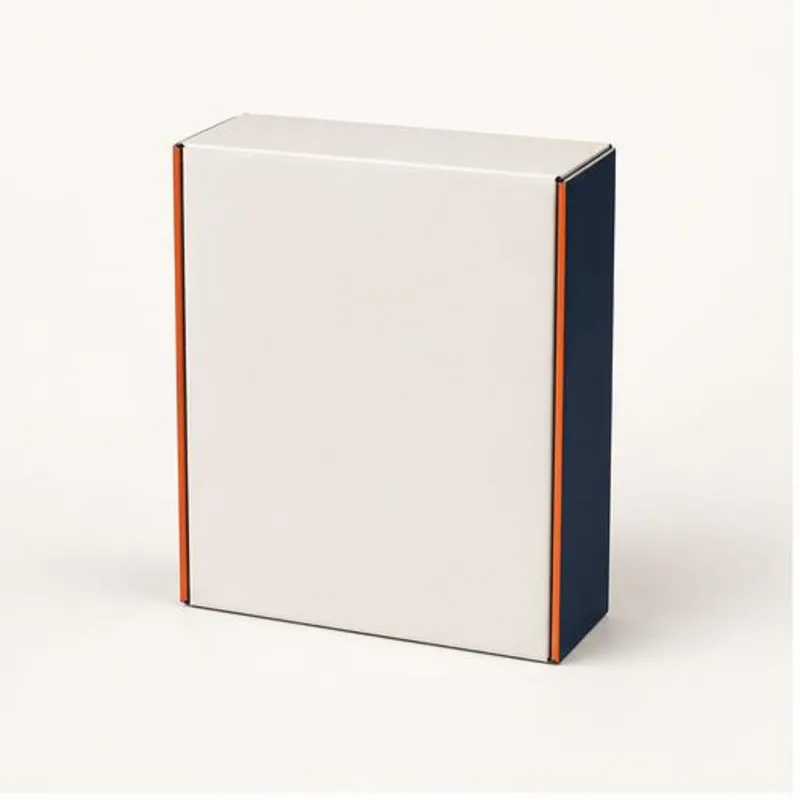
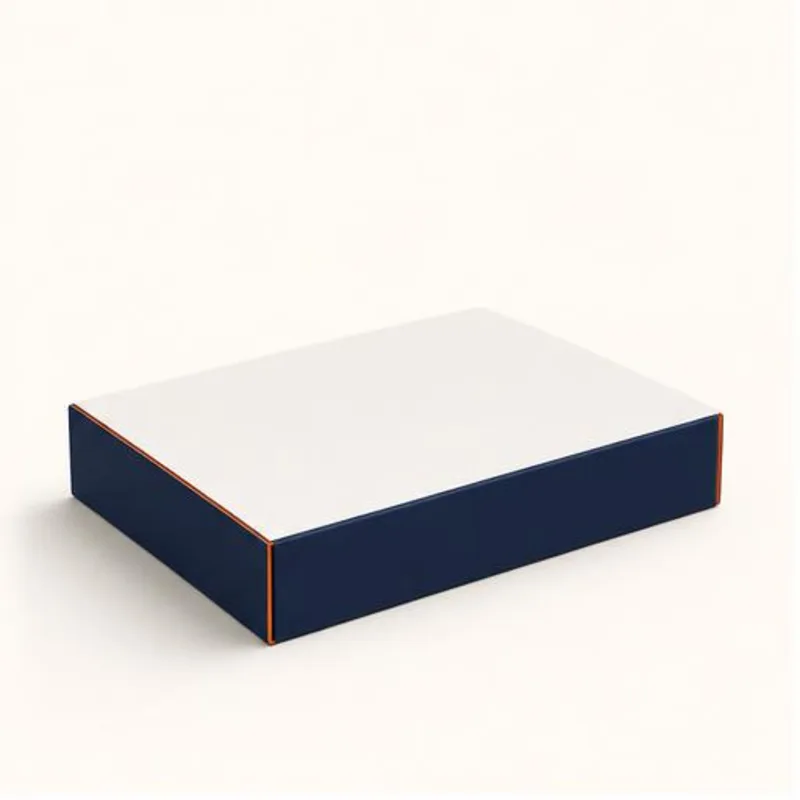

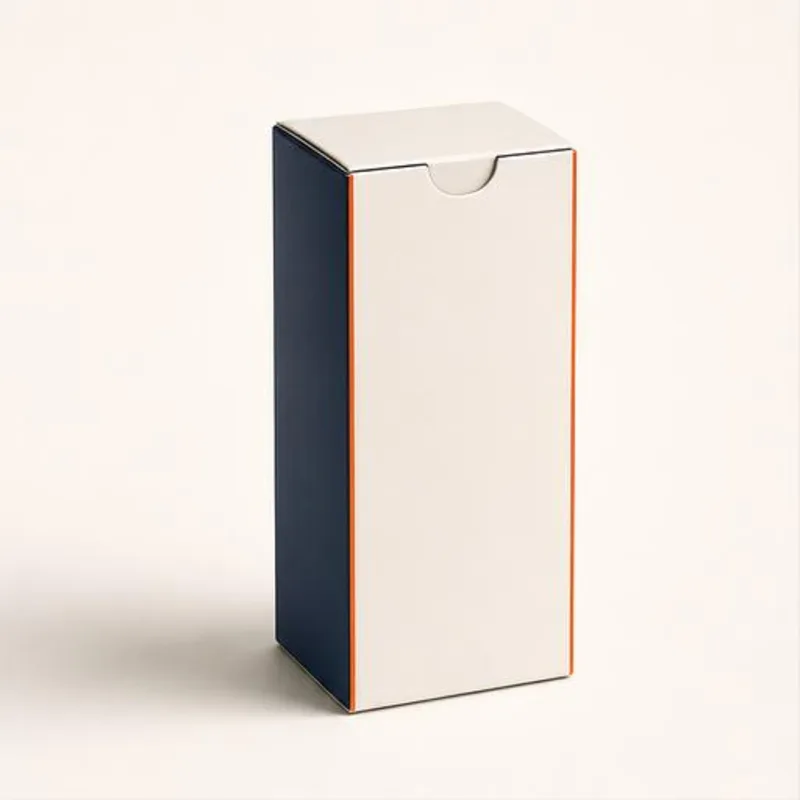
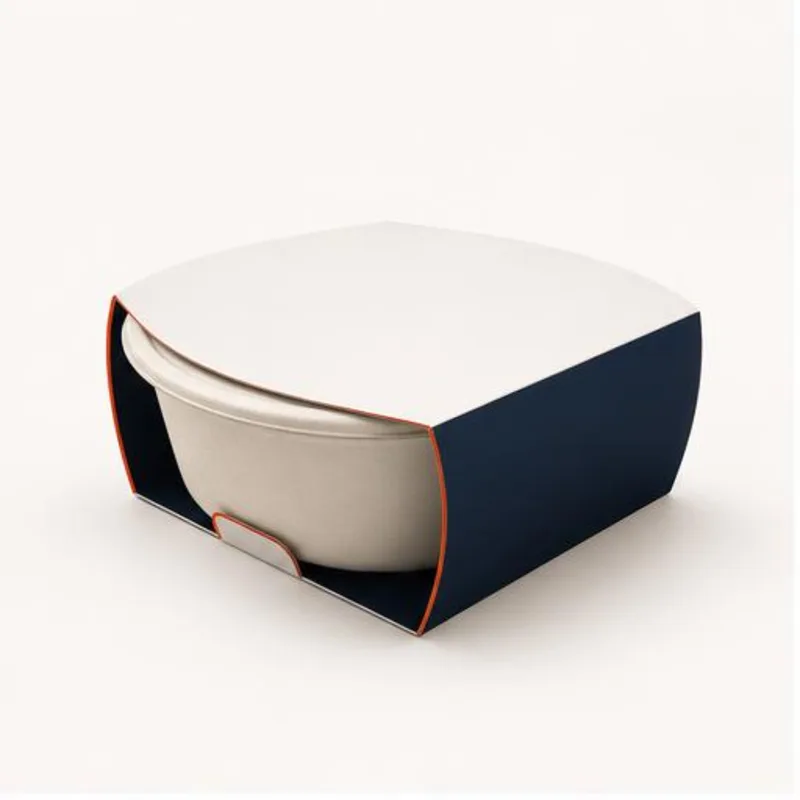
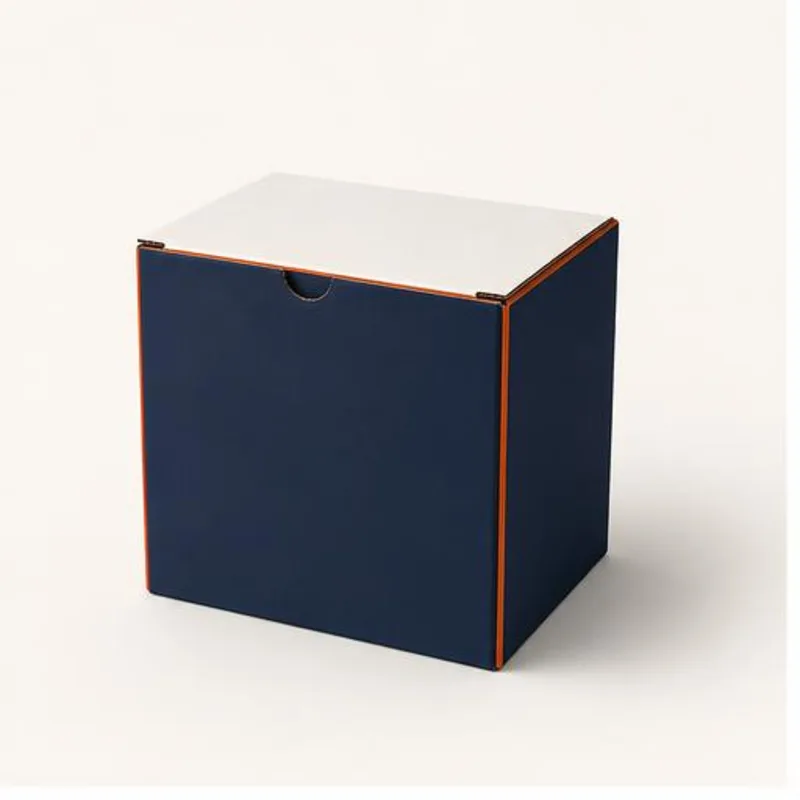

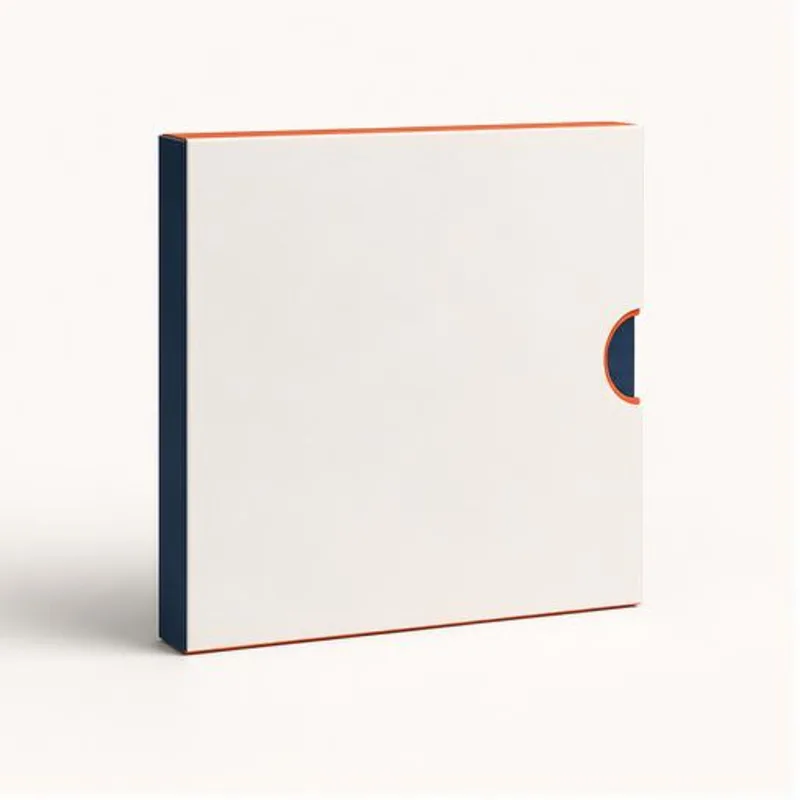
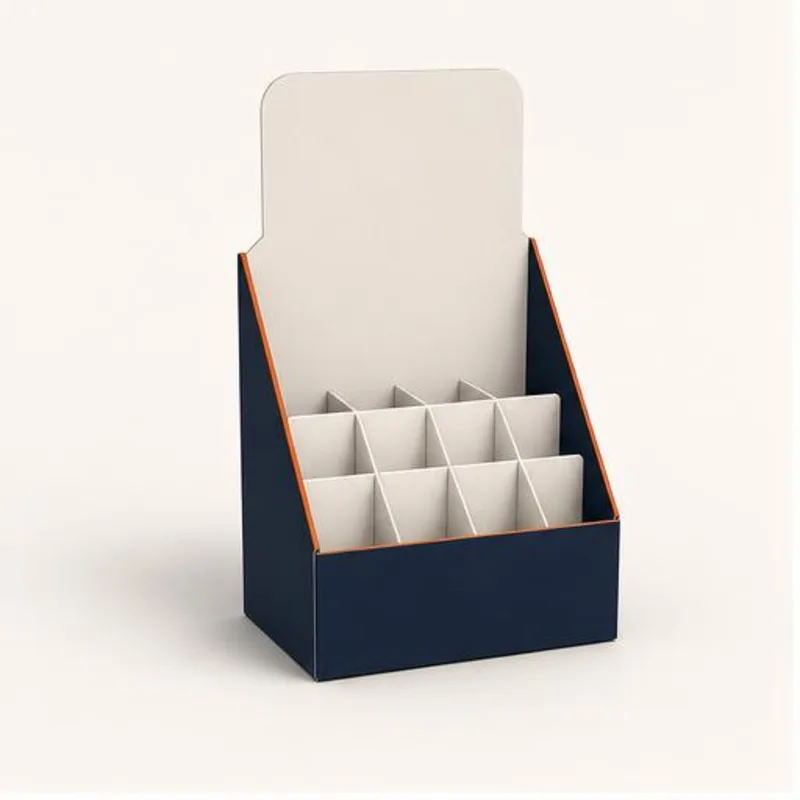
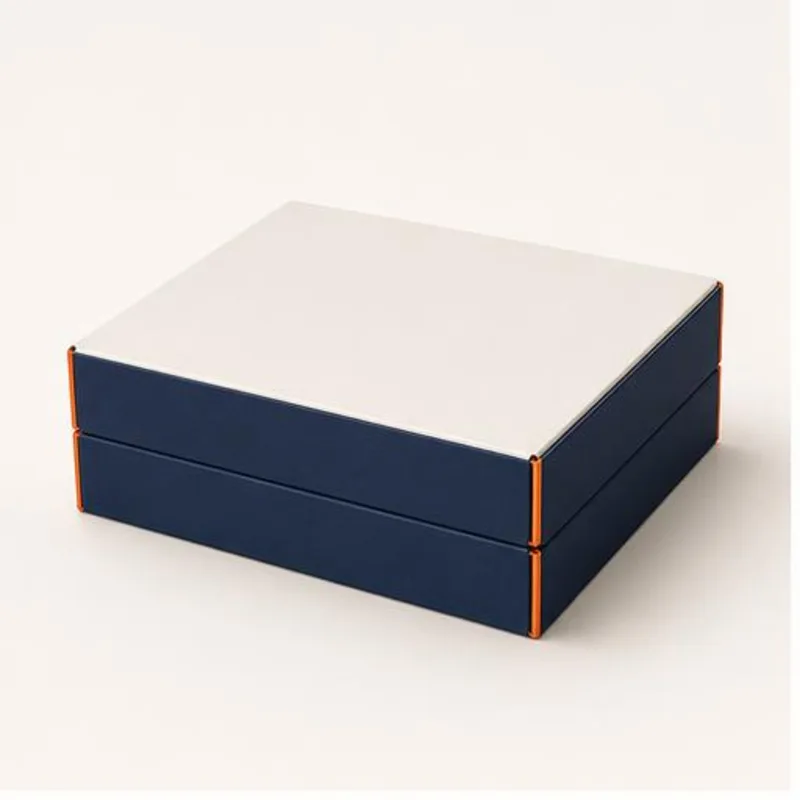
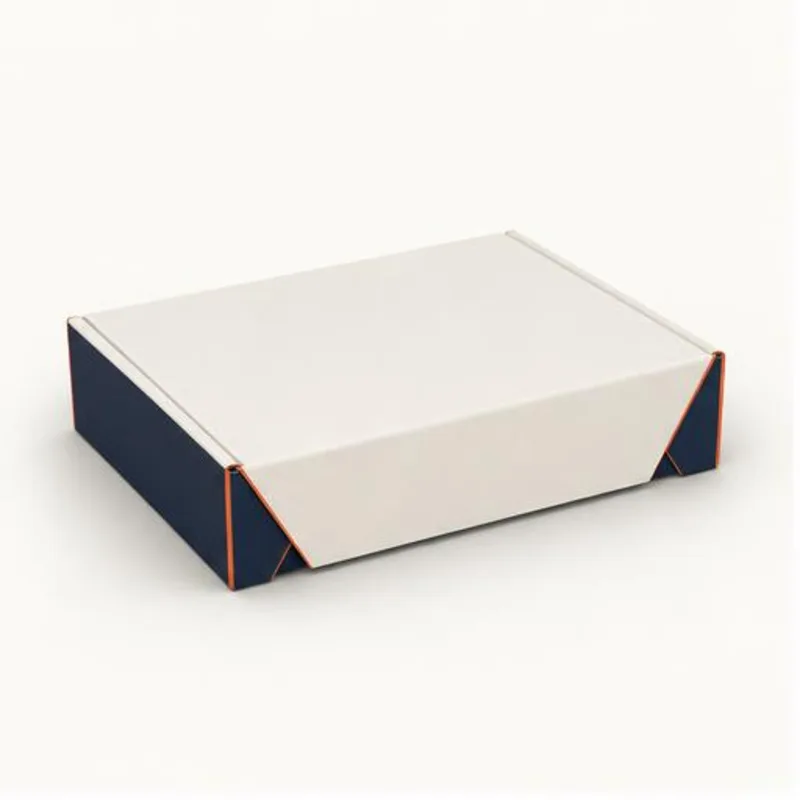
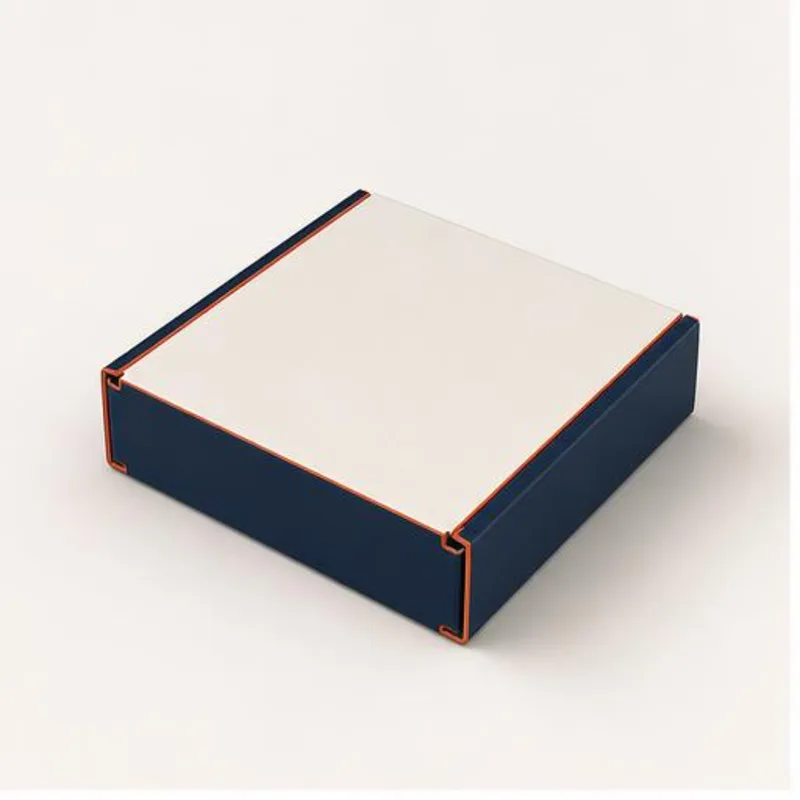
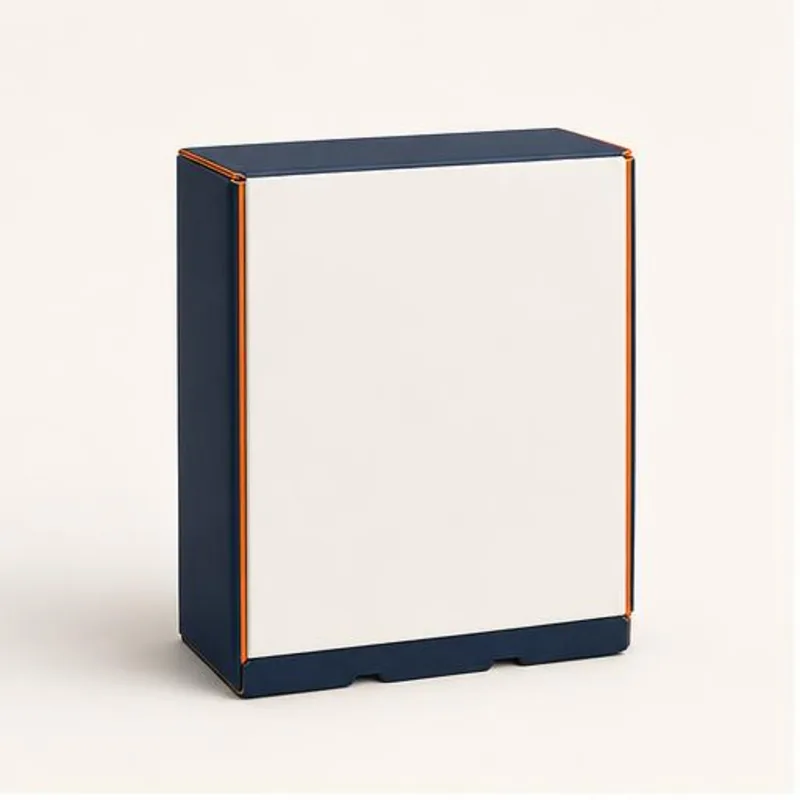
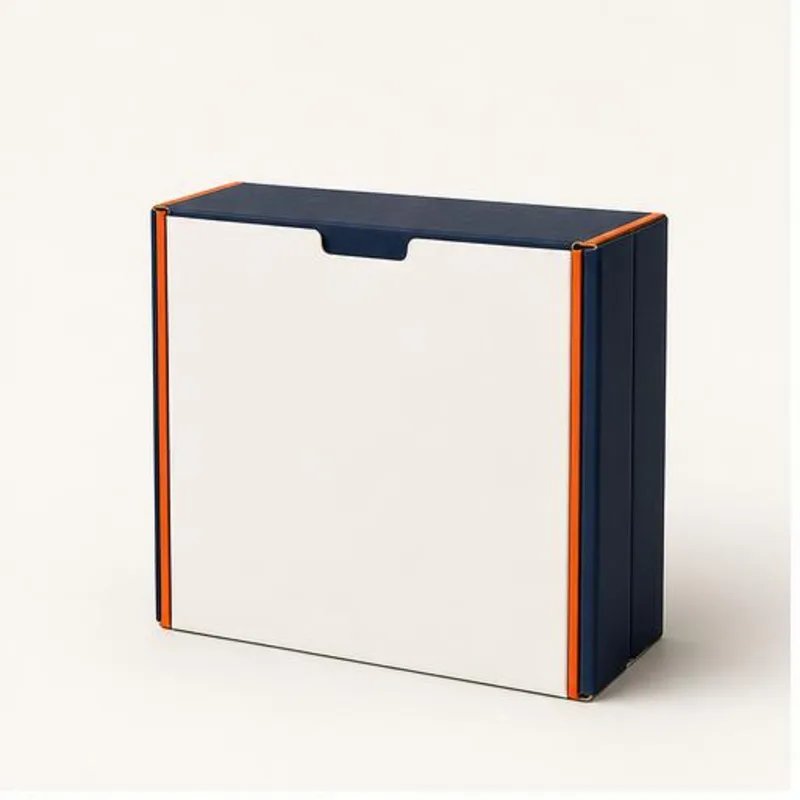
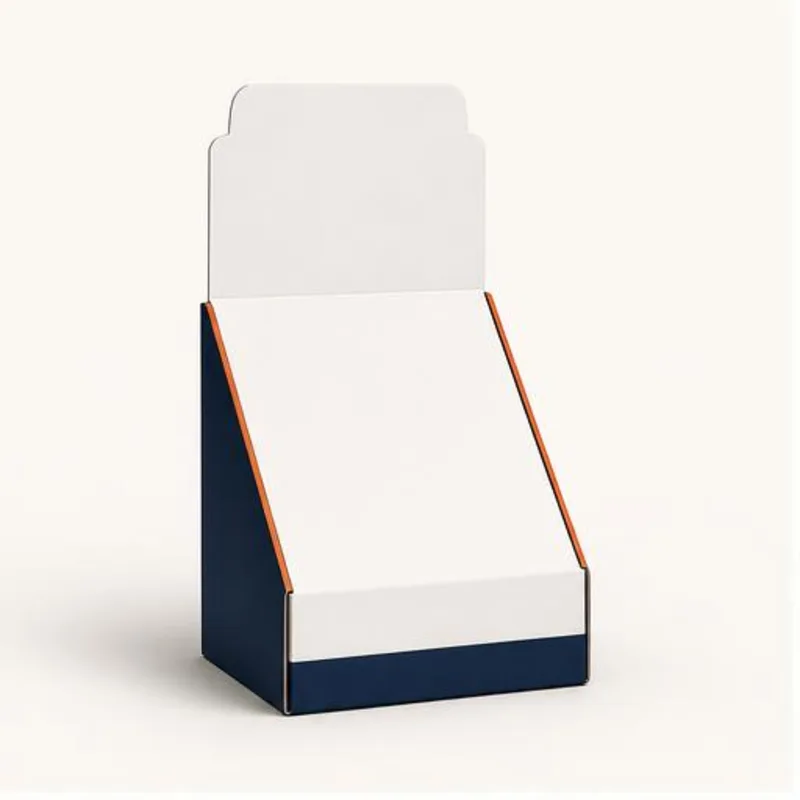
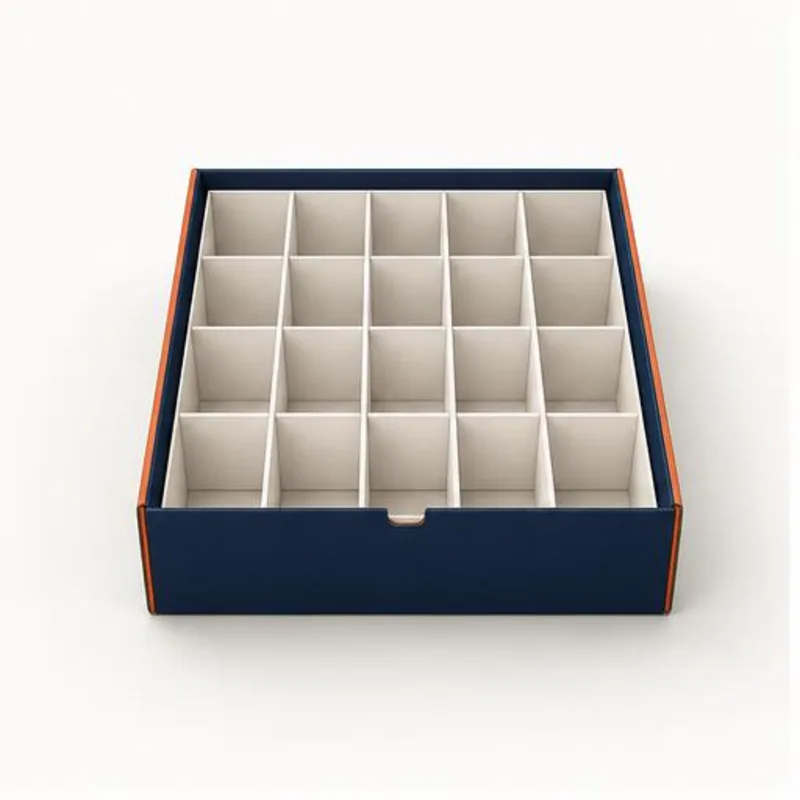
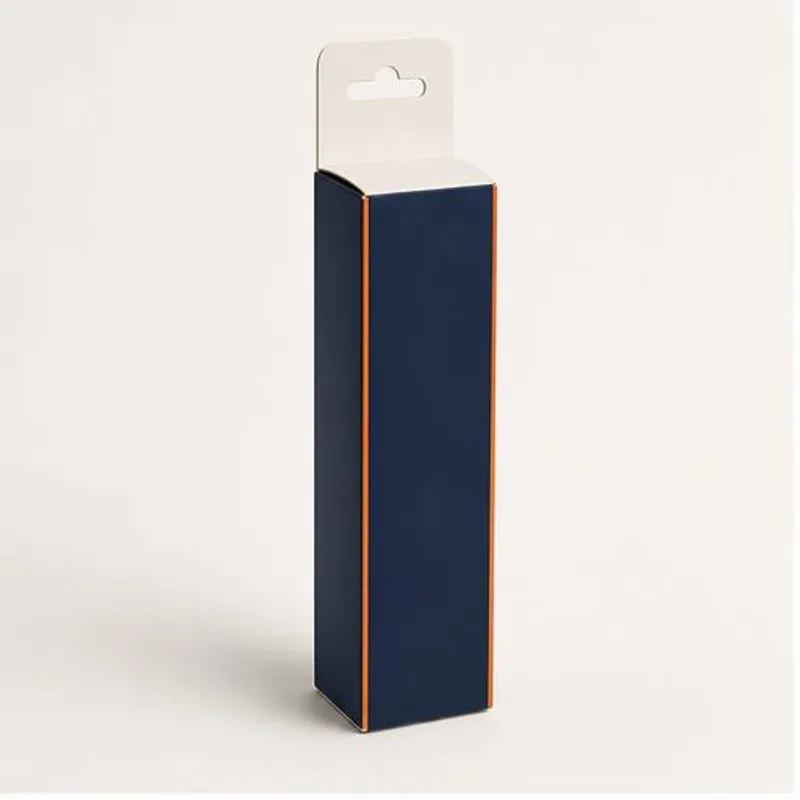
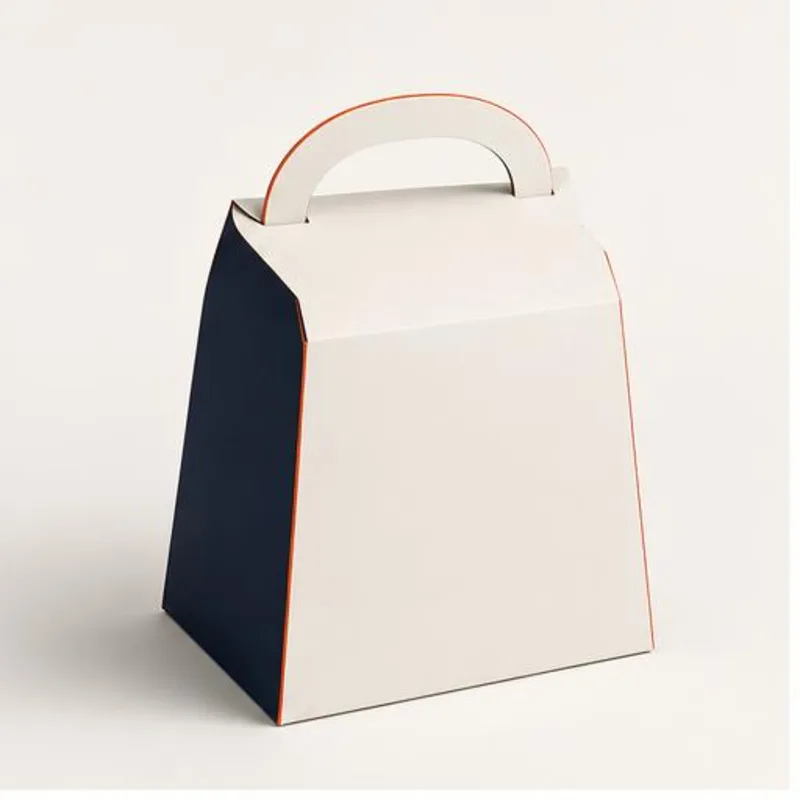
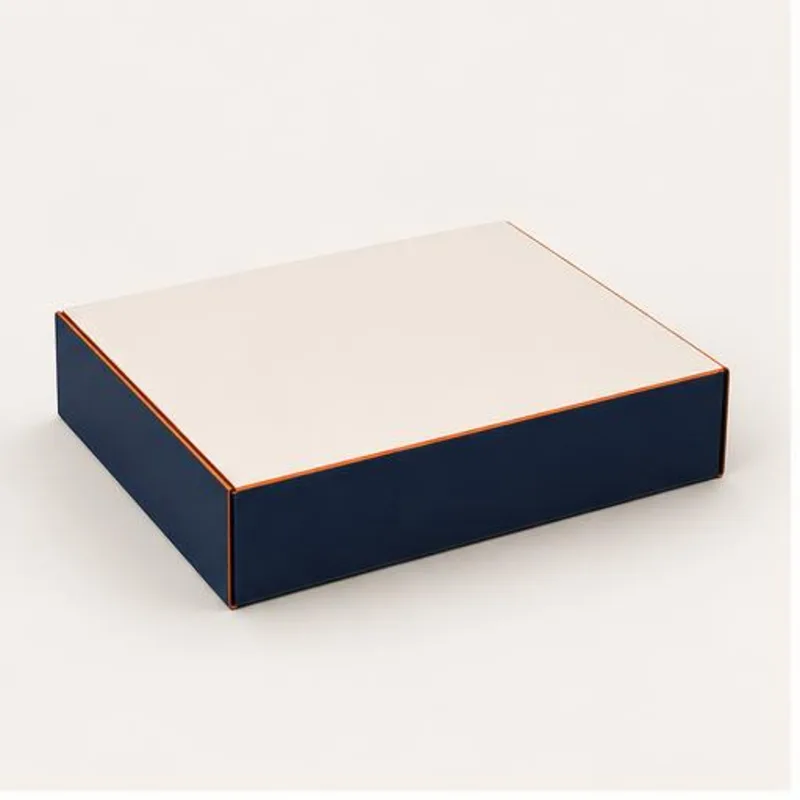
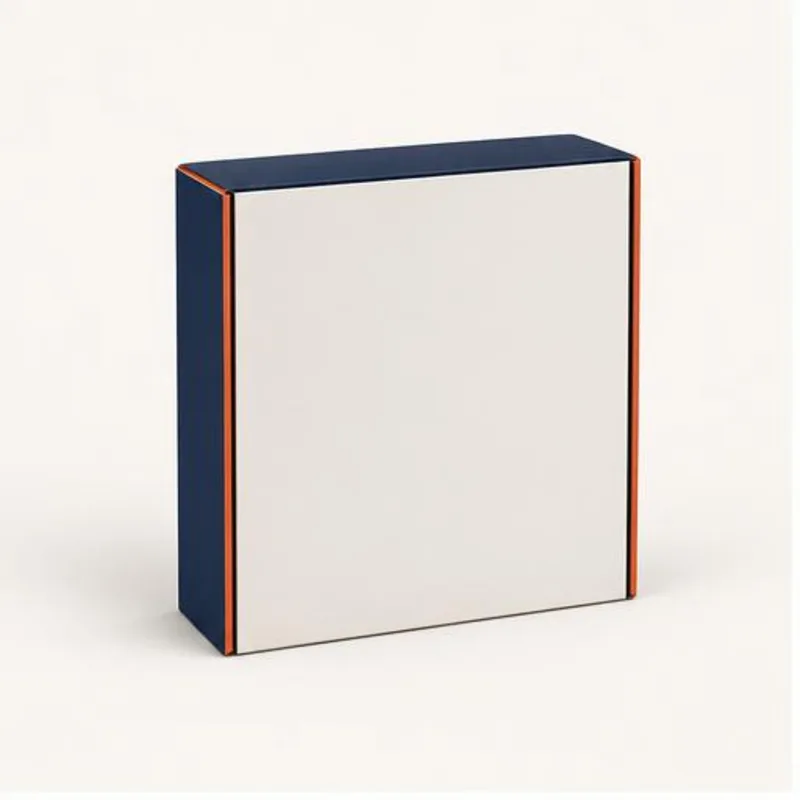
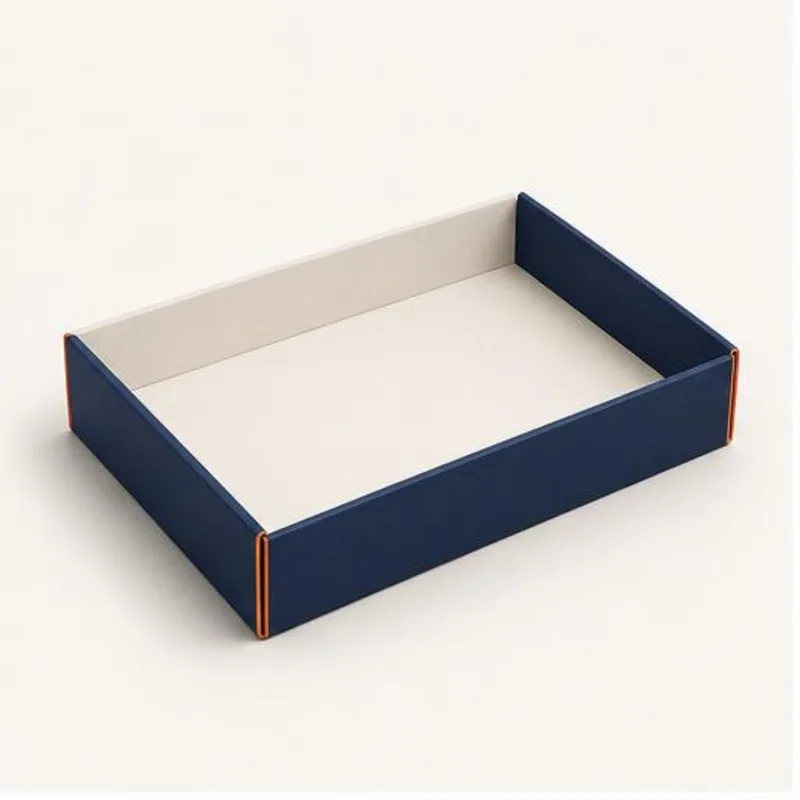
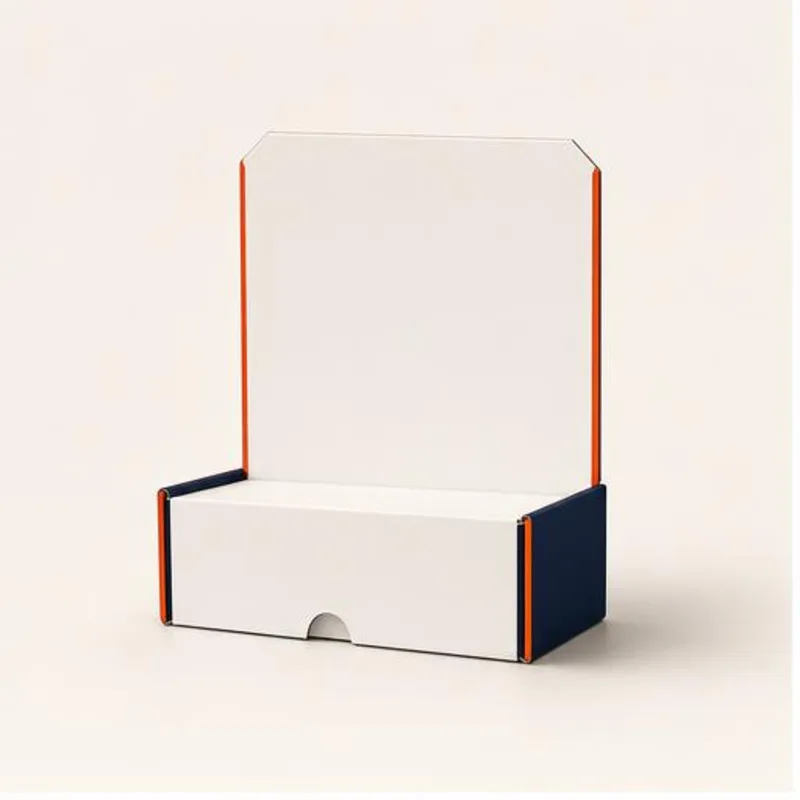
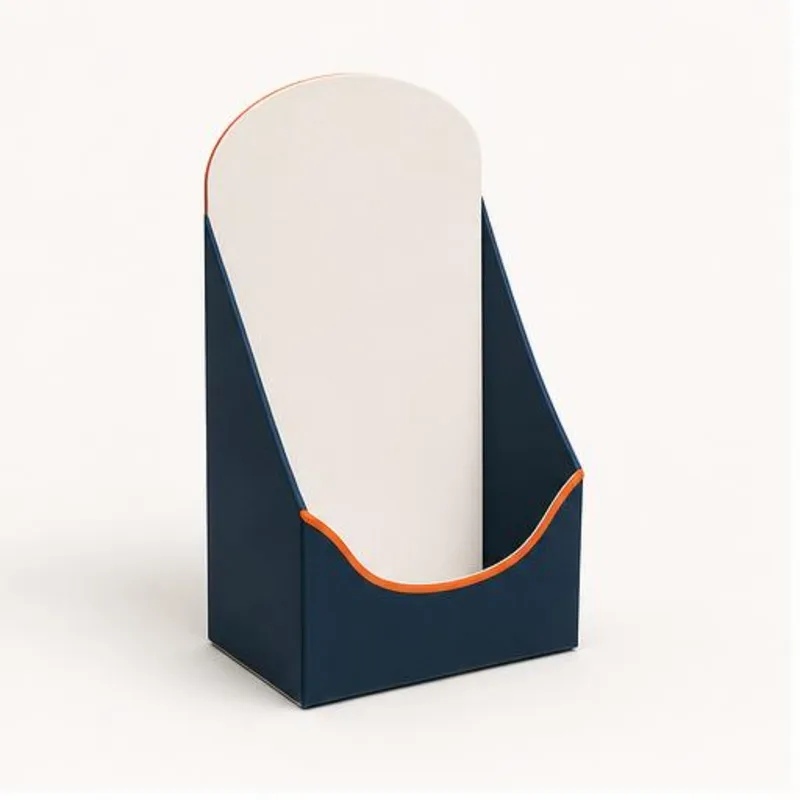
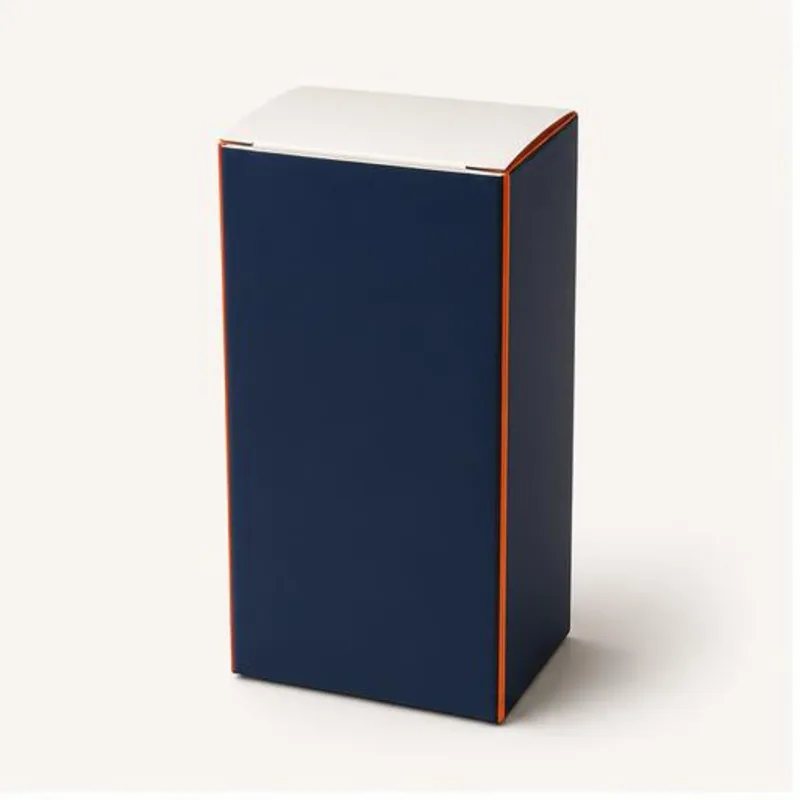
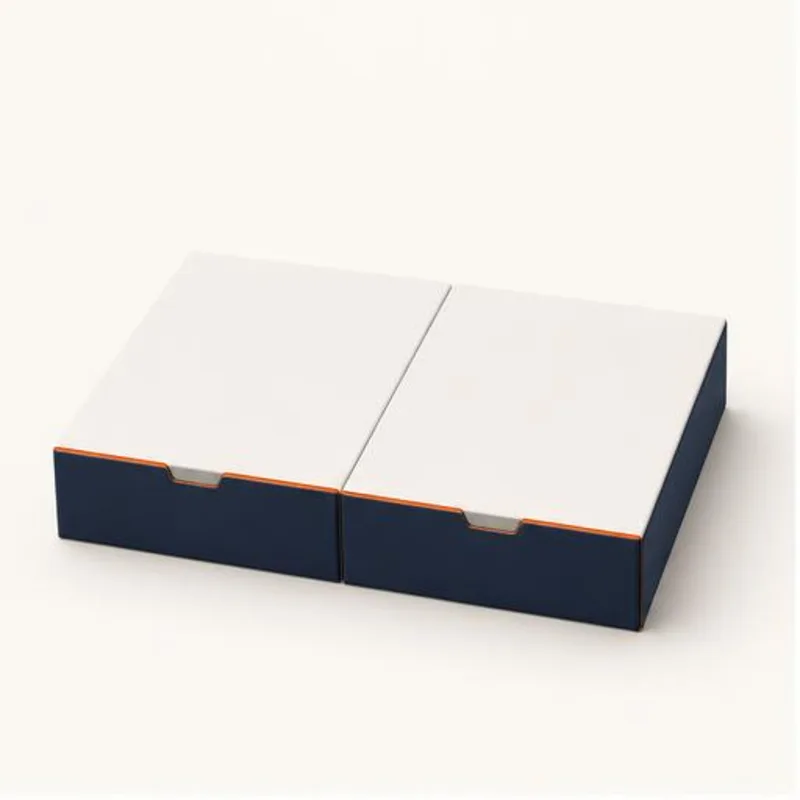
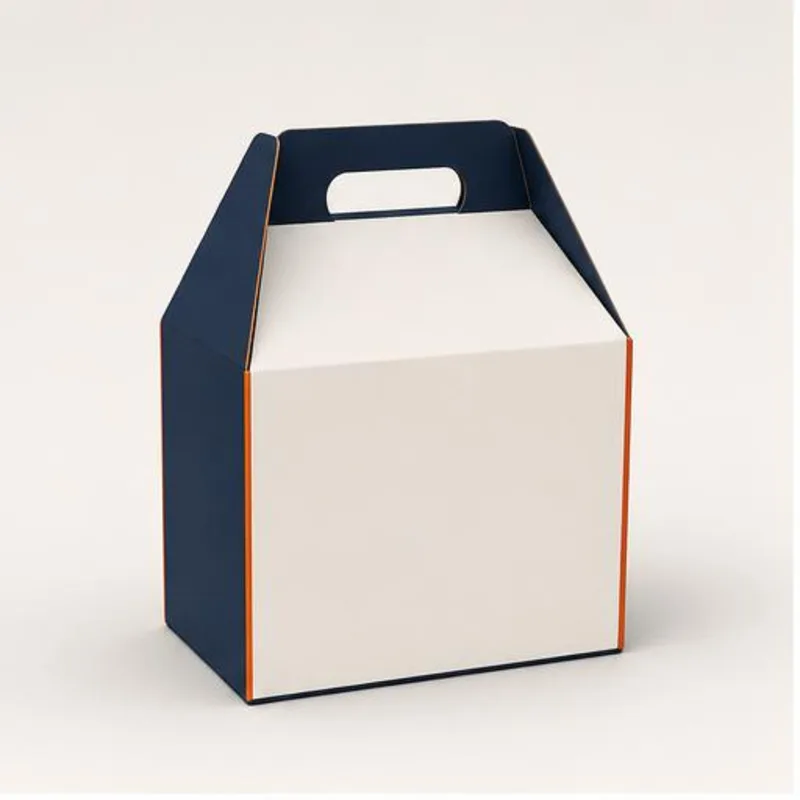
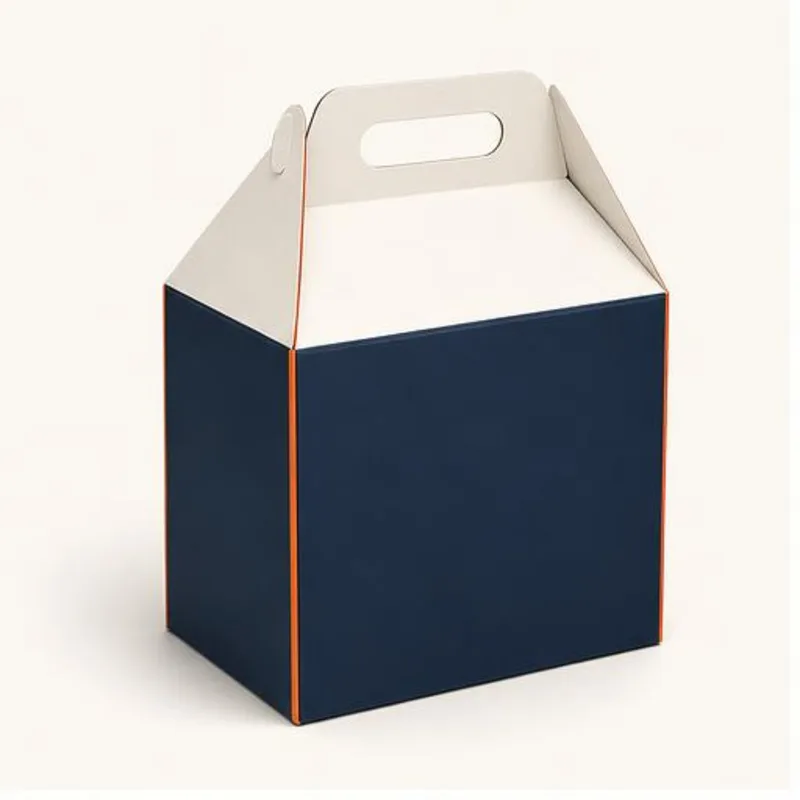
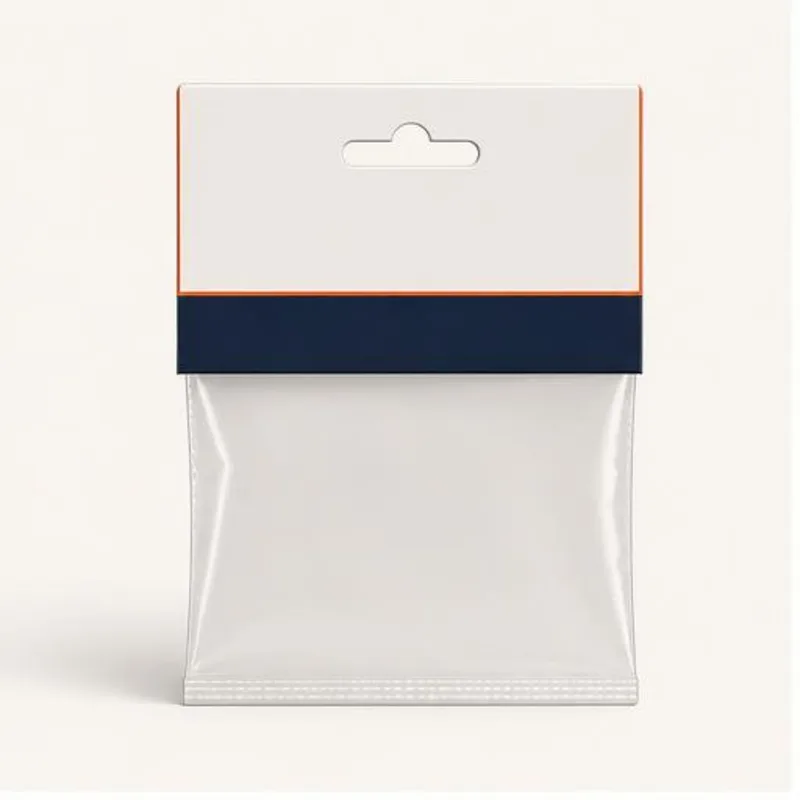
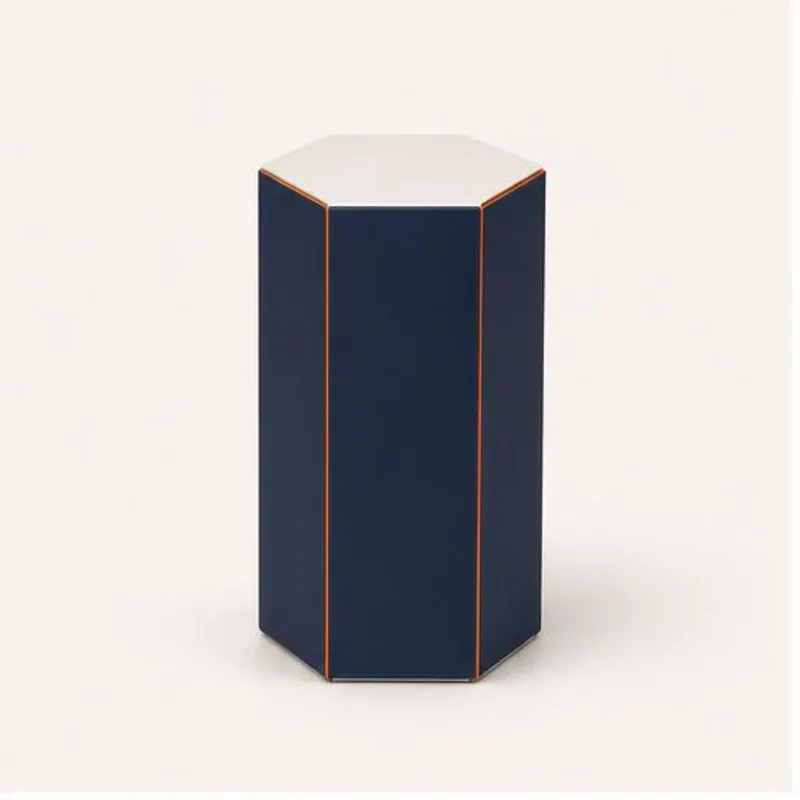
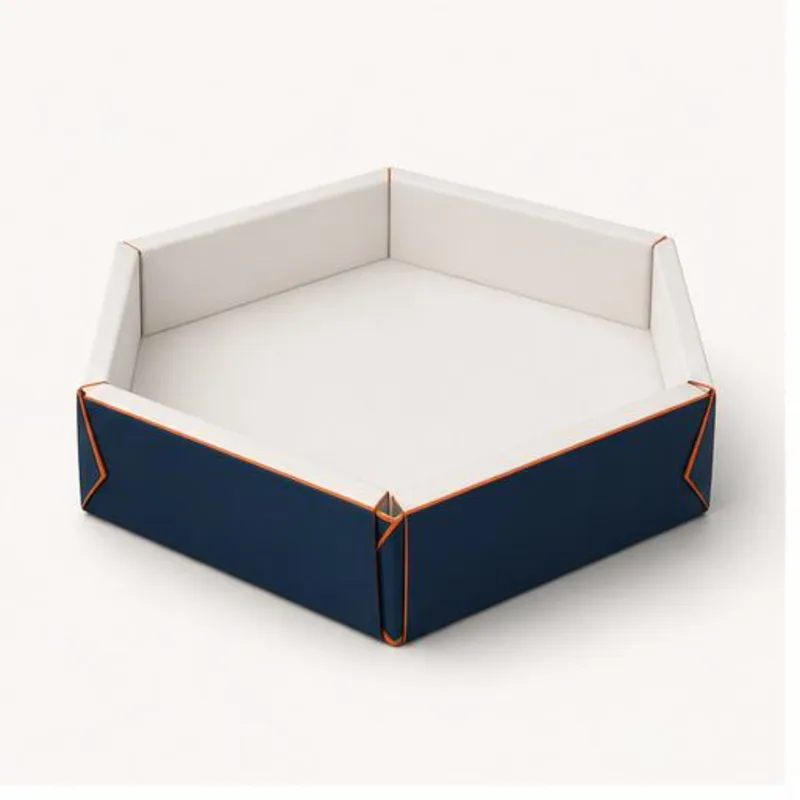
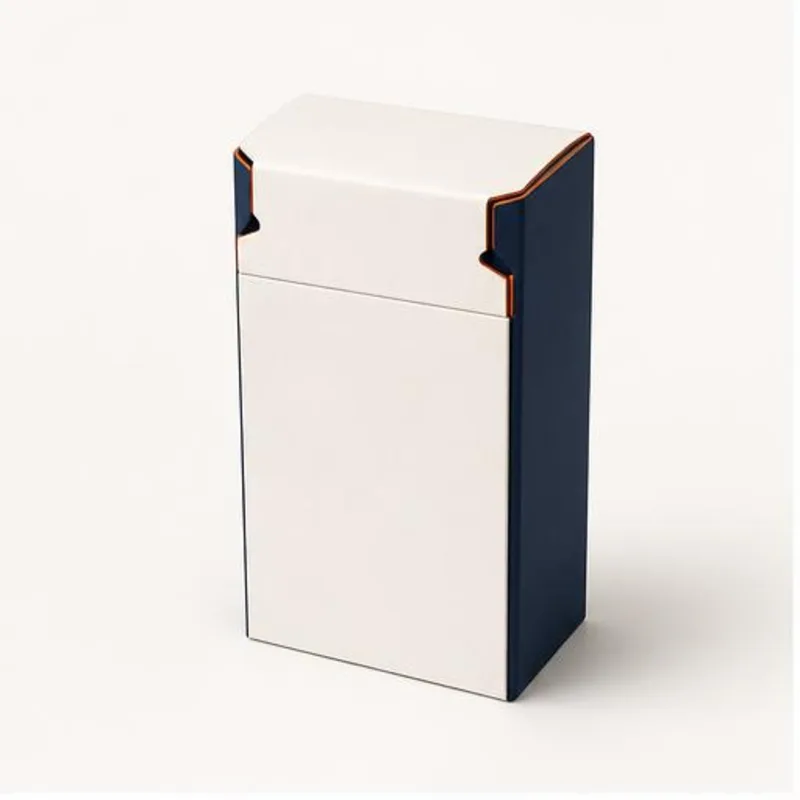
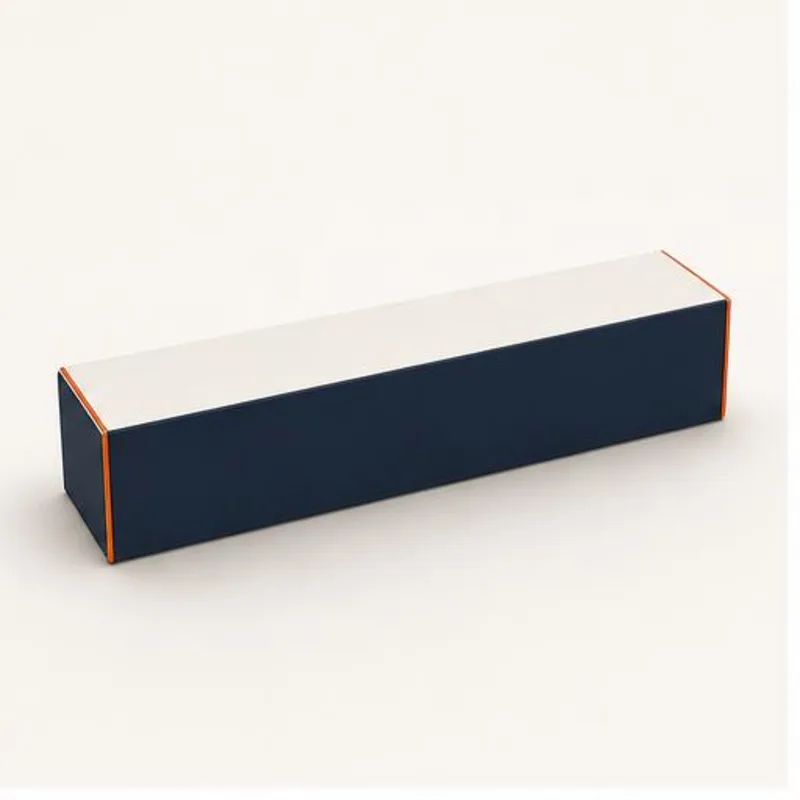
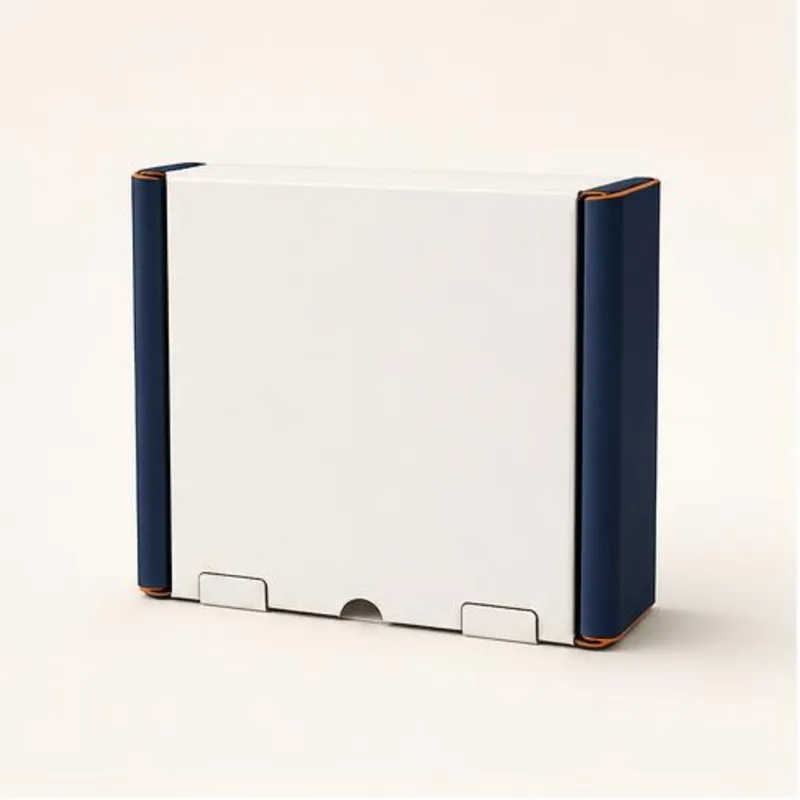
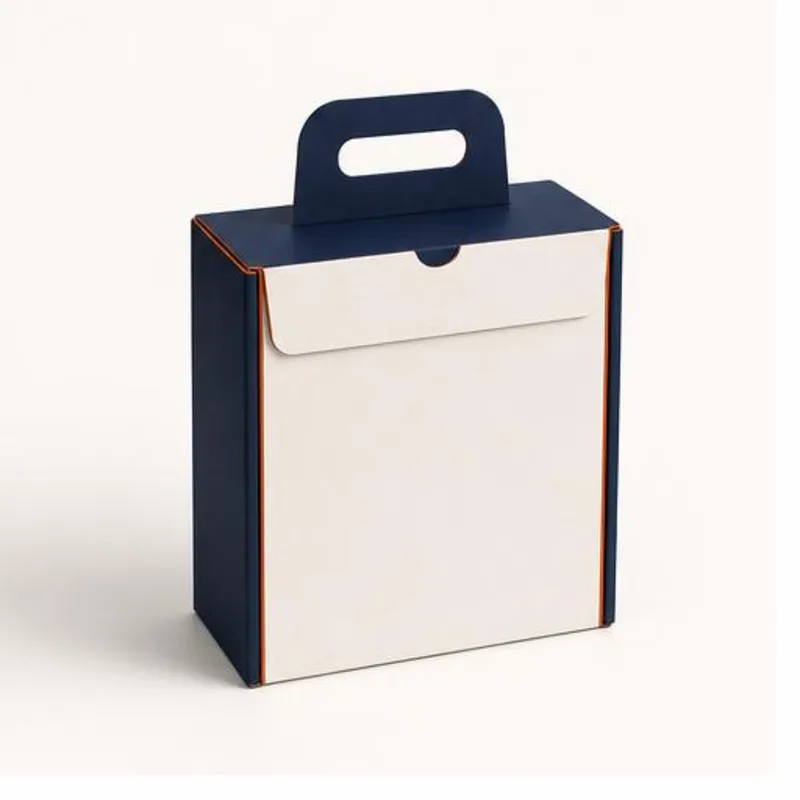
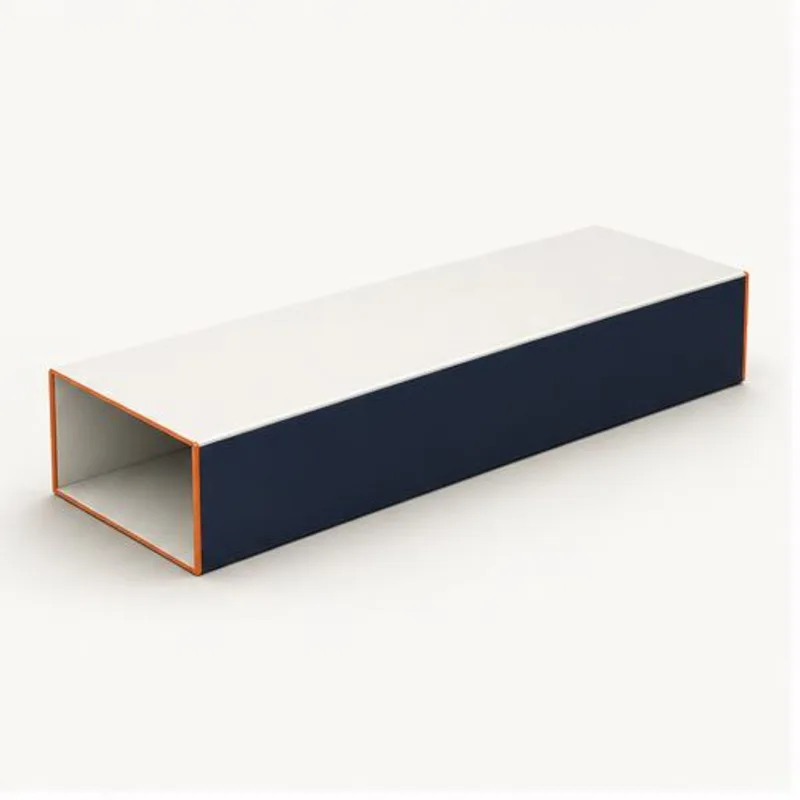
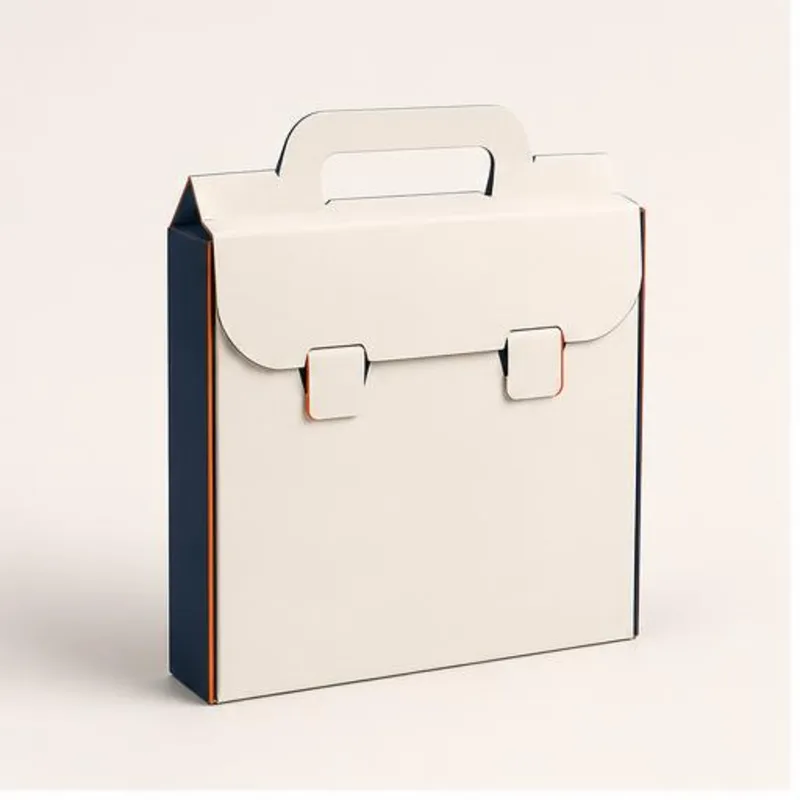
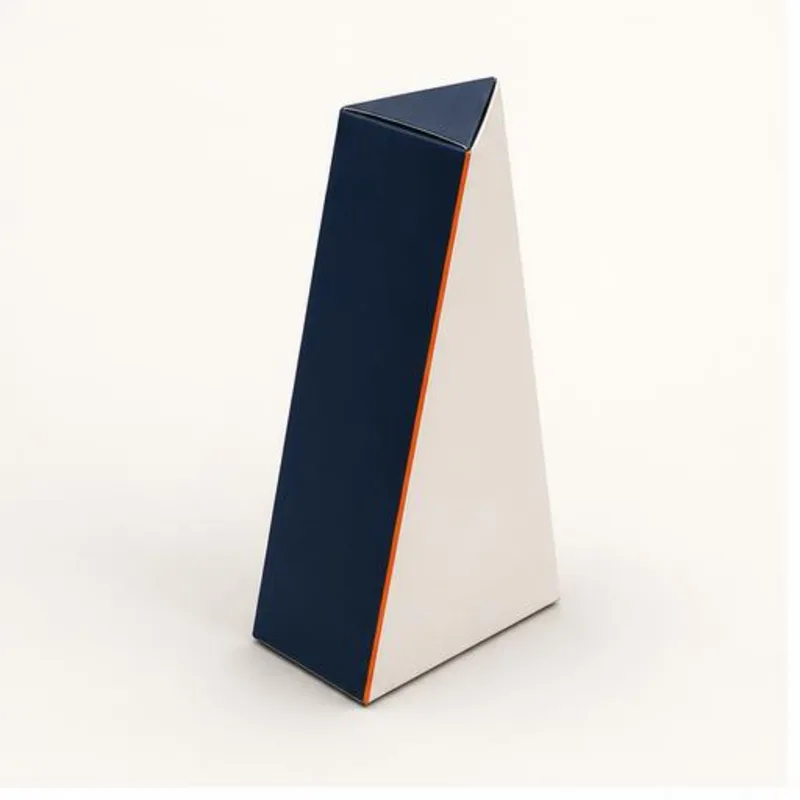
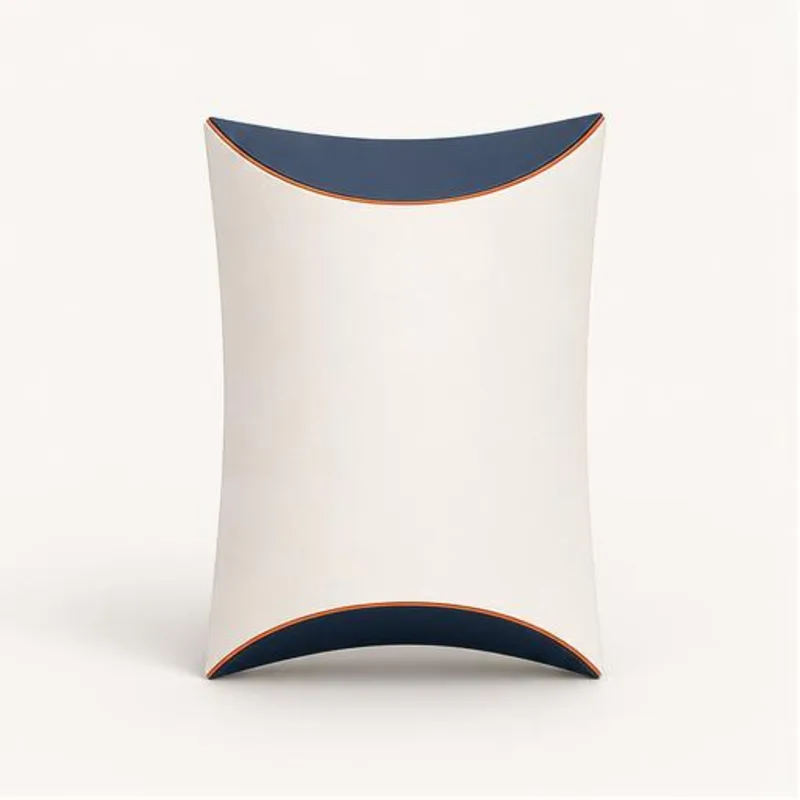
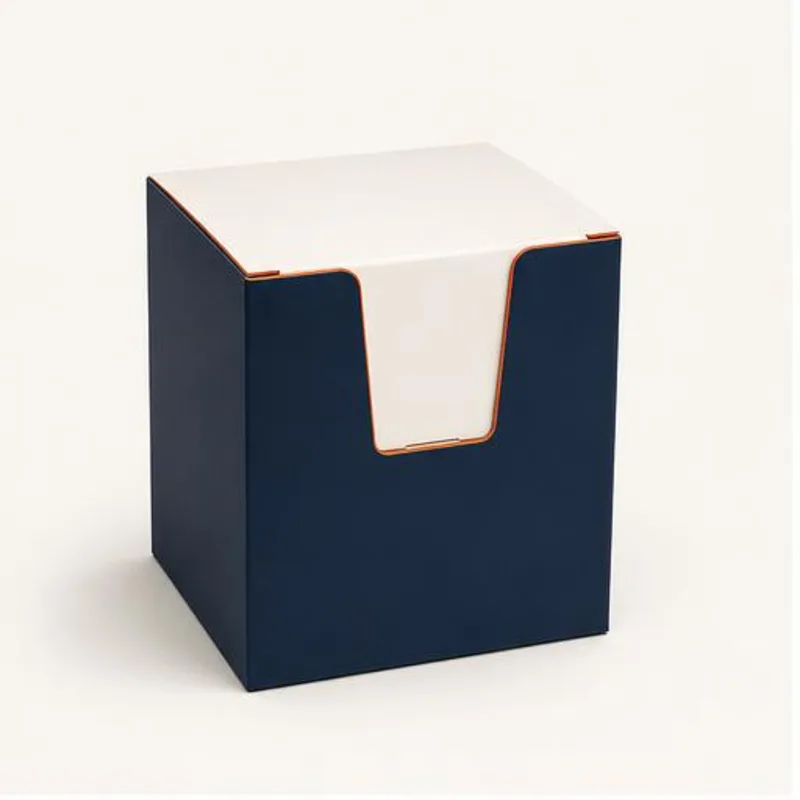
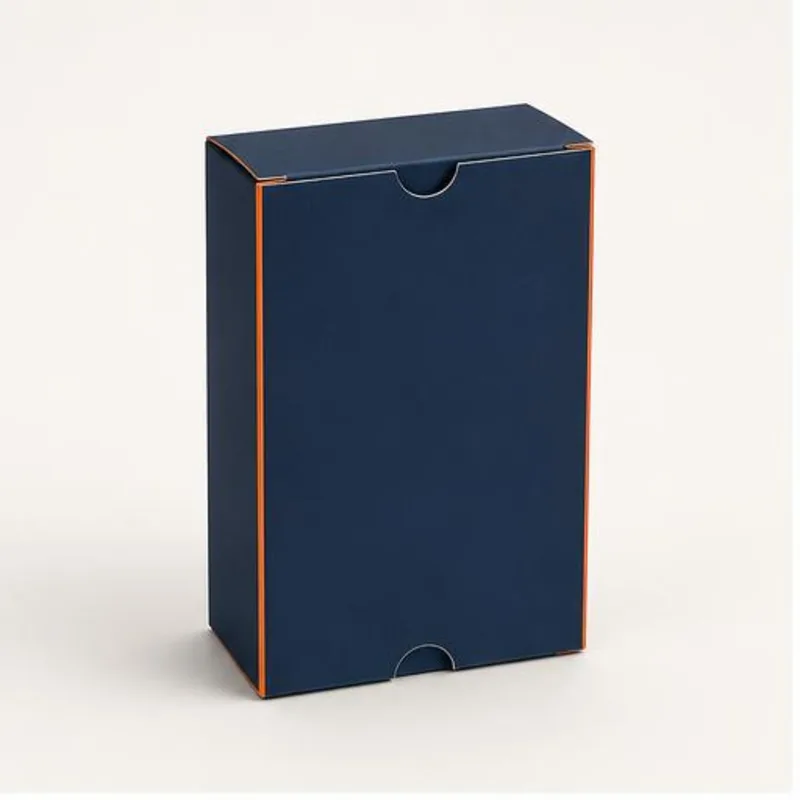
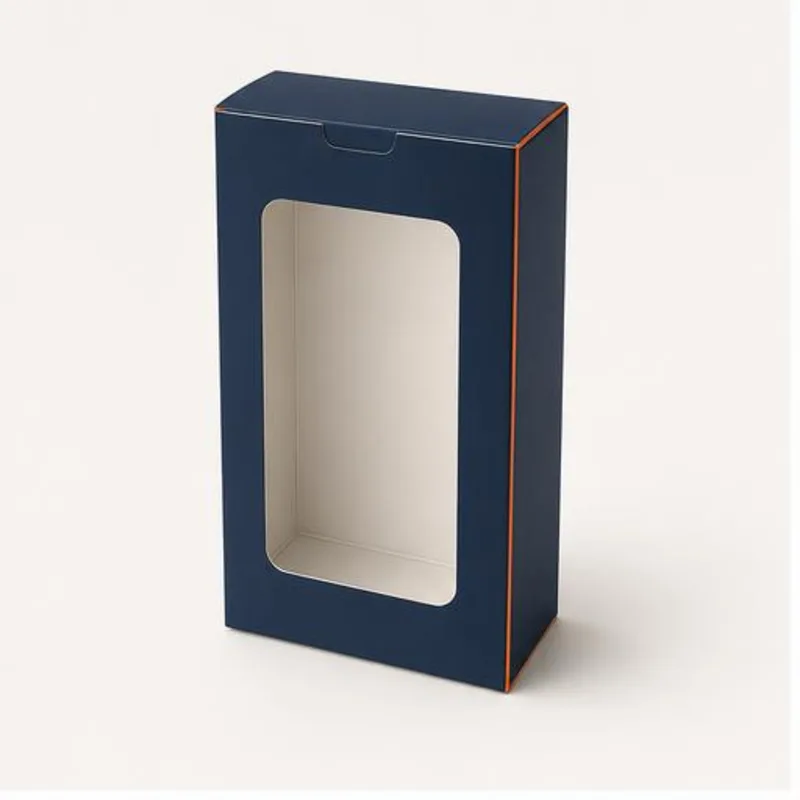
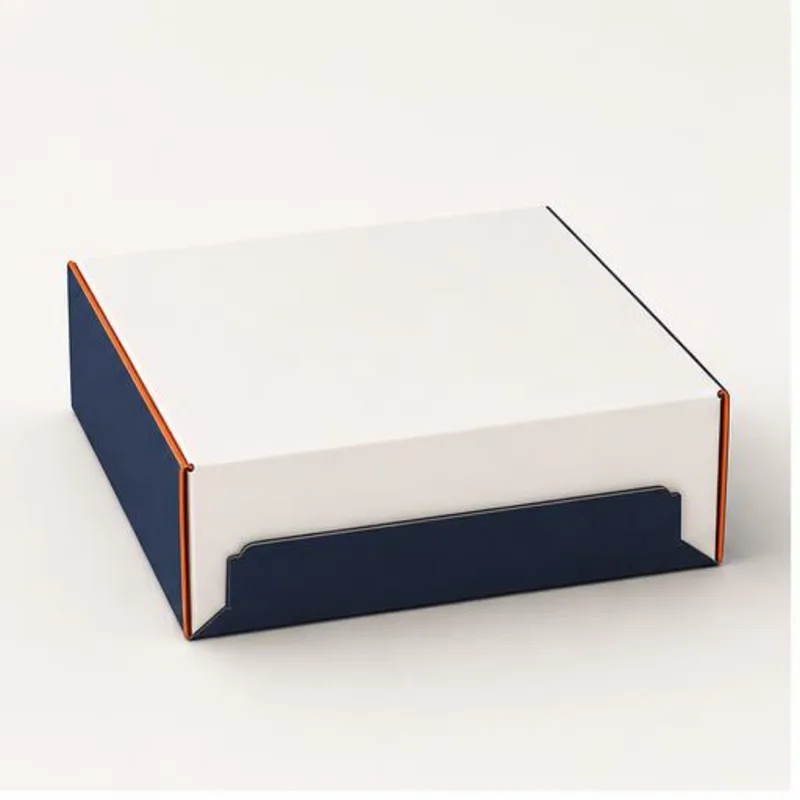
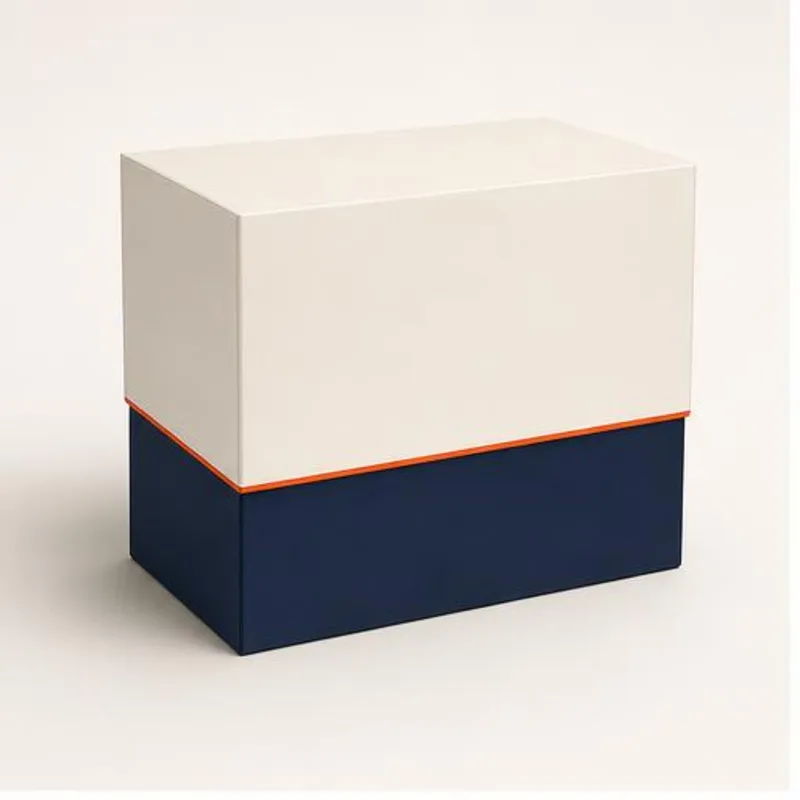
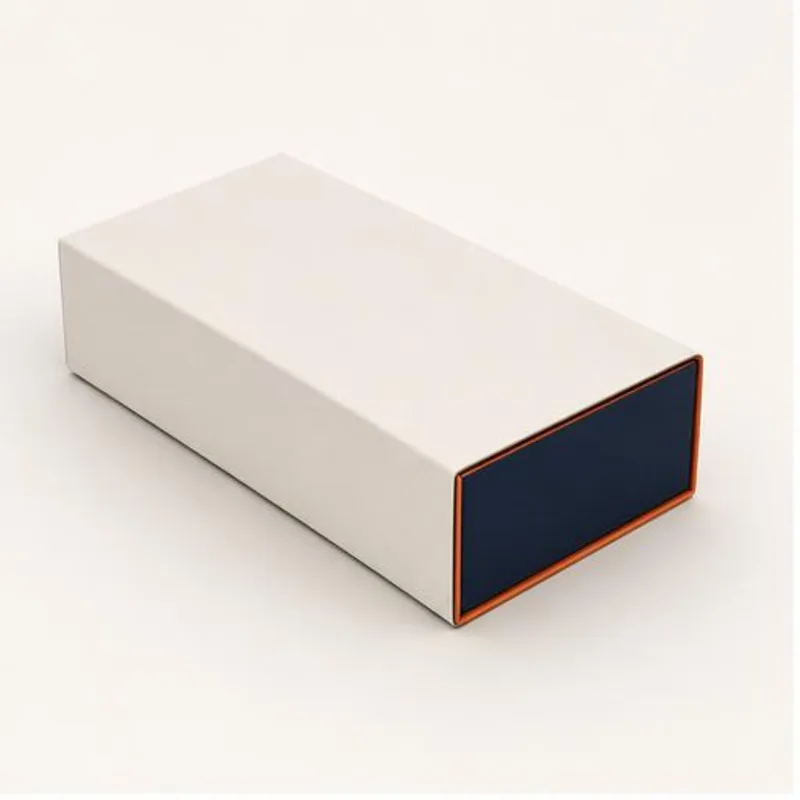
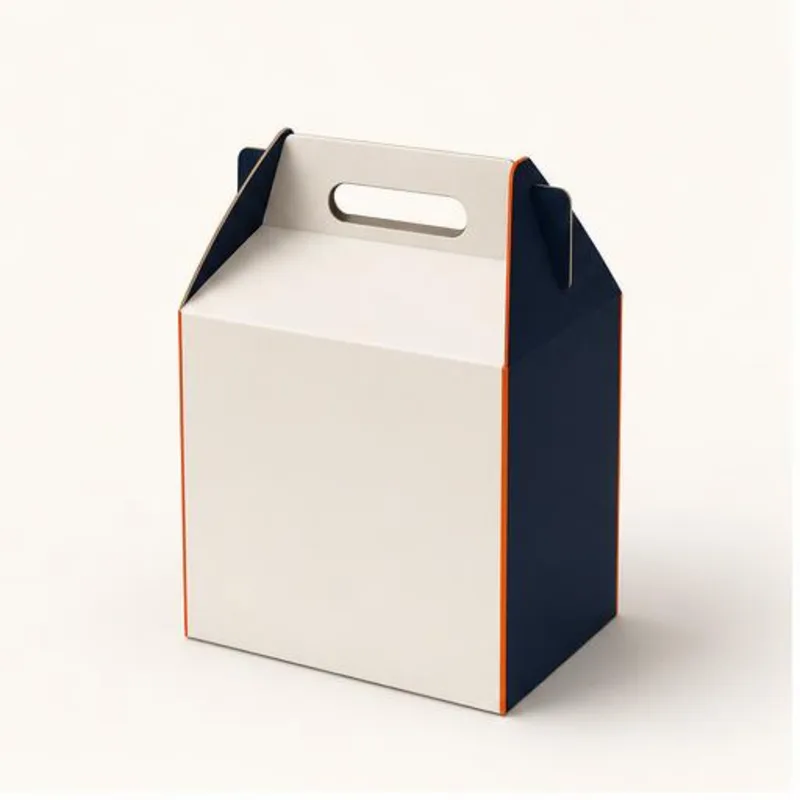
Plan Your Artwork With a Reference Dieline
A dieline is the flat, unfolded map of a box: it marks where the board is cut, where it folds, and where artwork must stay clear of glued or scored areas. Working from an accurate dieline is the difference between artwork that lines up on the finished box and artwork that drifts off a panel.
Use the structure guides on this site to understand panel layout, cut lines, folds, bleed, and safety zones. We prepare the production-ready dieline to your exact product dimensions, material, and board thickness as part of every project.
How to Plan Your Artwork
Build your artwork in a vector editor on separate layers above the production dieline supplied for your project. Keep the dieline layer non-printing, extend background color to the bleed line, and hold important text and logos inside the safety margin. We reconcile your artwork to the final structure before printing.
Because board thickness (caliper and flute) changes real fold positions, final dimensions, tolerances, and material are confirmed with you before anything goes to print.
What a Dieline Is and Isn't
A dieline is a two-dimensional map of a three-dimensional box. It shows the outline where the board is cut, the scored lines where it folds, the glue tabs that bond panels together, and the bleed and safety margins that keep artwork clean at the edges. Designing to an accurate dieline is what keeps a logo centered on the front panel and a barcode off a fold once the flat sheet becomes a box.
The templates here are references, not production files, and that distinction matters. Real fold positions shift with material — a thick corrugated flute folds differently than thin cardstock — so a dieline is only exact once it is built for a specific material and caliper. Use these to plan panel layout, understand where scores and glue zones fall, and rough in artwork. When you request a quote, we build a production dieline to your exact product and material, then reconcile your artwork to it before anything is printed.
Every template also carries a visible disclaimer to that effect and a legend explaining the cut, fold, and bleed lines, so anyone opening the file understands its role.