

Packaging Built Around Your Industry
Different products demand different structures. Explore how GetPrintedBox approaches packaging for beauty, food and beverage, e-commerce, fashion, health and wellness, and retail electronics brands.

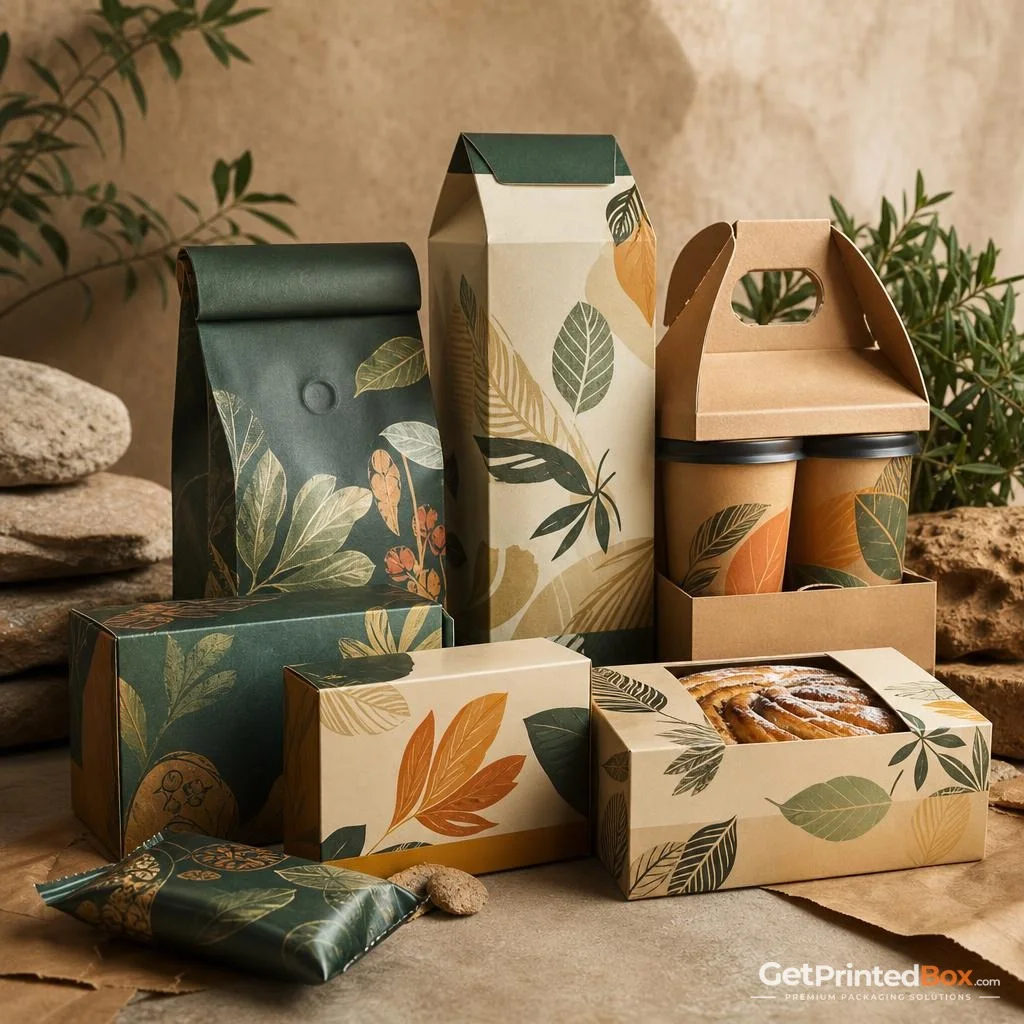
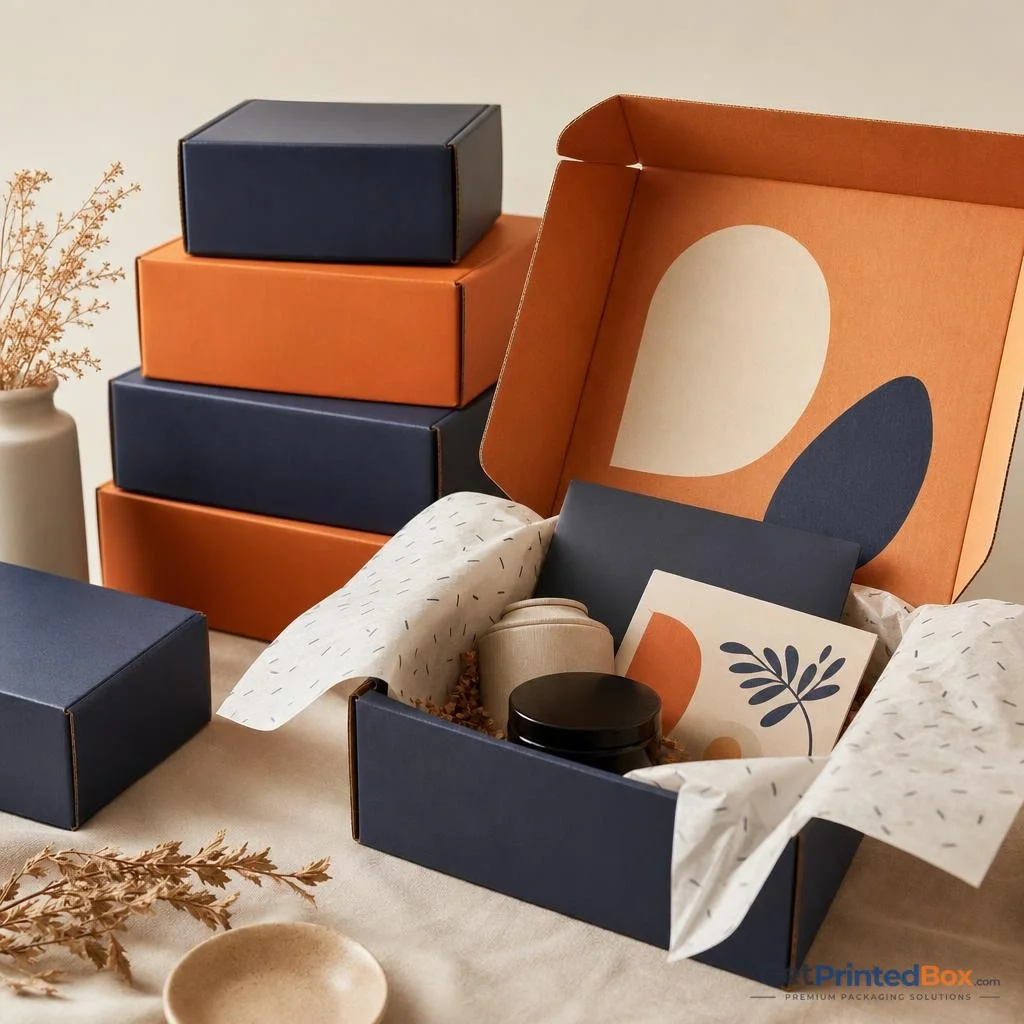


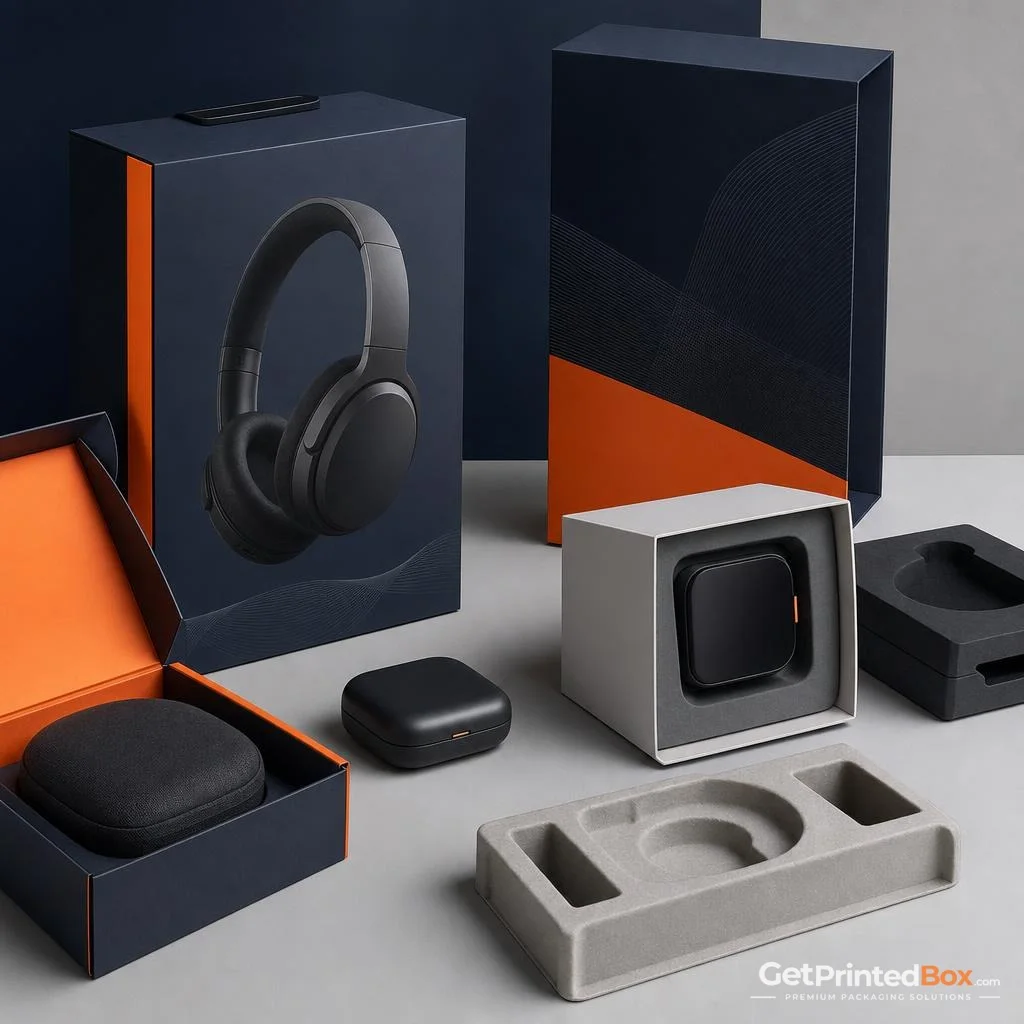
Structure Follows the Product
The best packaging decisions start with the product, not the box. A serum bottle, a candle vessel, and a subscription assortment each impose different constraints on structure, insert design, and material. This hub collects our approach to the industries we package for most, framed as practical structural and material guidance rather than generic marketing.
Each collection page explains which box styles tend to fit that vertical, how inserts protect the specific product, and which finishing options reinforce category expectations. Use it to narrow your options before requesting a quote.
How We Approach Vertical Packaging
Two products in the same industry can still need very different packaging, so we treat each project structurally rather than by category label. A lightweight sachet and a glass bottle in the same beauty line, for example, call for different cartons, inserts, and board calipers. Our starting questions are always the same: what is the product's true footprint, how fragile is it, how is it sold and shipped, and what does the category expect on the shelf?
From those answers we recommend a box style, a material, and a finishing approach, then prepare a production dieline sized to the product. Across every vertical we can offer custom dimensions, offset, digital, and flexographic printing, PMS color matching, and finishing such as matte, gloss, soft-touch, spot UV, foil, and embossing. Pilot quantities start at 100 units for folding and corrugated styles and 250 units for rigid set-up boxes, so a brand can validate a design in a real vertical before scaling to volume.
Frequently Asked Questions
Do I have to fit one of these six industries?
Can you package a product that spans two categories?
What's the minimum to start in my industry?
Considerations That Cross Every Vertical
Some packaging decisions recur no matter what you sell. Nearly every product carries mandatory copy — ingredients, net weight, usage directions, barcodes, or safety text — and the carton has to reserve legible space for it without crowding the brand story. When you brief us, flag any required panels and we will lay out the dieline so regulatory and retail information both have room, and so the barcode sits on a flat, scannable face.
Two other themes span the verticals. The first is the unboxing sequence: the order in which a buyer encounters the outer box, any sleeve or insert, and finally the product. Designing that sequence deliberately — what is revealed first, what the interior print says — turns a shipment into a brand moment. The second is reorder consistency: once a structure and its PMS colors are dialed in, we hold the dieline and press profiles so your second and tenth runs match the first. That matters most for brands running several SKUs in a family, where every box should feel like it belongs to the same line.