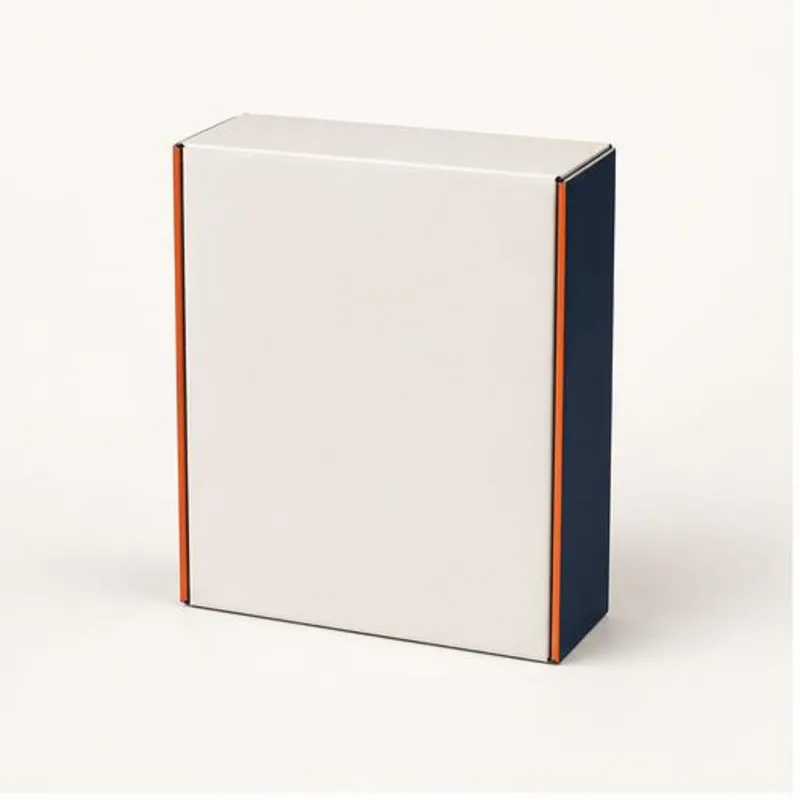
Corrugated Shipping Boxes
A double-wall corrugated shipper engineered to protect heavier goods through transit and last-mile handling.
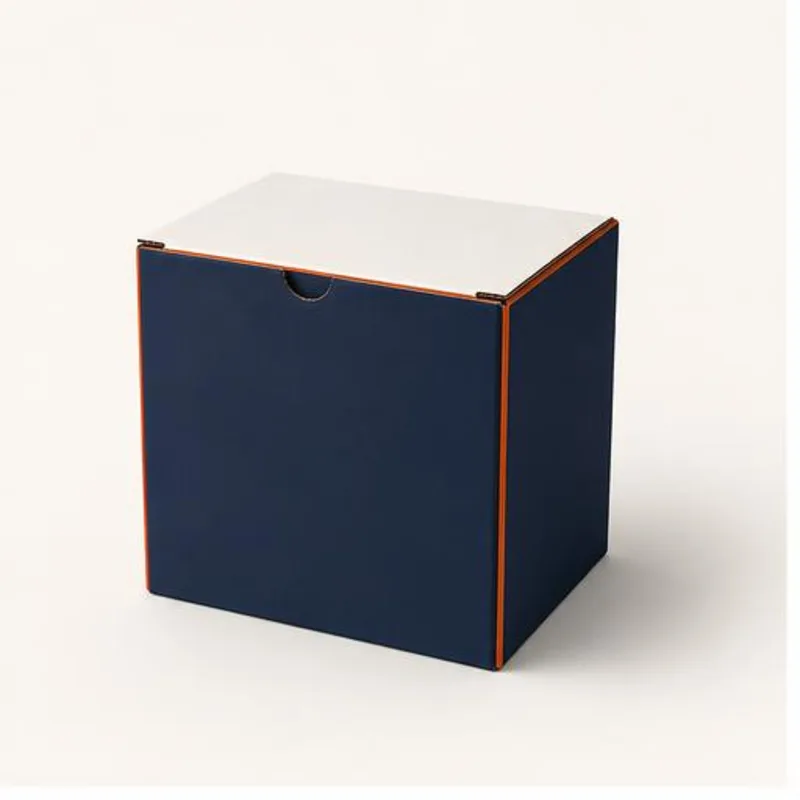
Structural & Engineering Details
How This Structure Works
A corrugated shipping box uses a fluted board sandwich to add stiffness and cushioning for goods moving through transit and handling. The flutes create air channels that help the walls resist bending, while regular slotted flaps fold to close the top and bottom. This geometry favors protection and stackability over presentation, giving a plain but sturdy enclosure that packs, seals, and labels easily. Because the flaps meet at the center, the box tapes shut quickly and opens the same way, which can suit high-volume dispatch. Interior fitments can be added to keep contents from shifting during the journey.
Good Fit For
- Shipping heavier or bulkier goods
- Warehouse and fulfillment dispatch
- Palletized or multi-unit transport
Key Advantages
- Fluted walls add stiffness and cushioning
- Flaps tape closed and reopen quickly
- Regular shape stacks and labels easily
Assembly & Construction
Slotted flaps on the top and bottom fold inward and are typically taped or glued along the center seam, while a manufacturer joint holds the fourth corner. The flat blank ships knocked down and squares up when opened, so the box forms with a few folds before sealing. Double-wall constructions add a second fluted layer for extra wall support, and inner pads or dividers can be inserted to steady the contents before the top is closed.
Materials & Board Options
Corrugated board is the usual choice here, with single- or double-wall builds and different flute profiles chosen for the balance of stiffness and cushioning a load needs. Final flute, wall count, and liner weight typically depend on the contents weight, box dimensions, stacking, print, and the handling expected in distribution, so those specifications are usually confirmed against the actual product and packing process.
Pre-Production Planning Checklist
- Confirm flute and wall count against the intended load
- Check flap overlap seals fully at the center seam
- Verify any inner pads keep contents from shifting