1-2-3 Bottom Tuck Top Boxes
A crash-lock 1-2-3 bottom with a secure tuck-top closure for fast assembly and reliable retail presentation.
Structural & Engineering Details
How This Structure Works
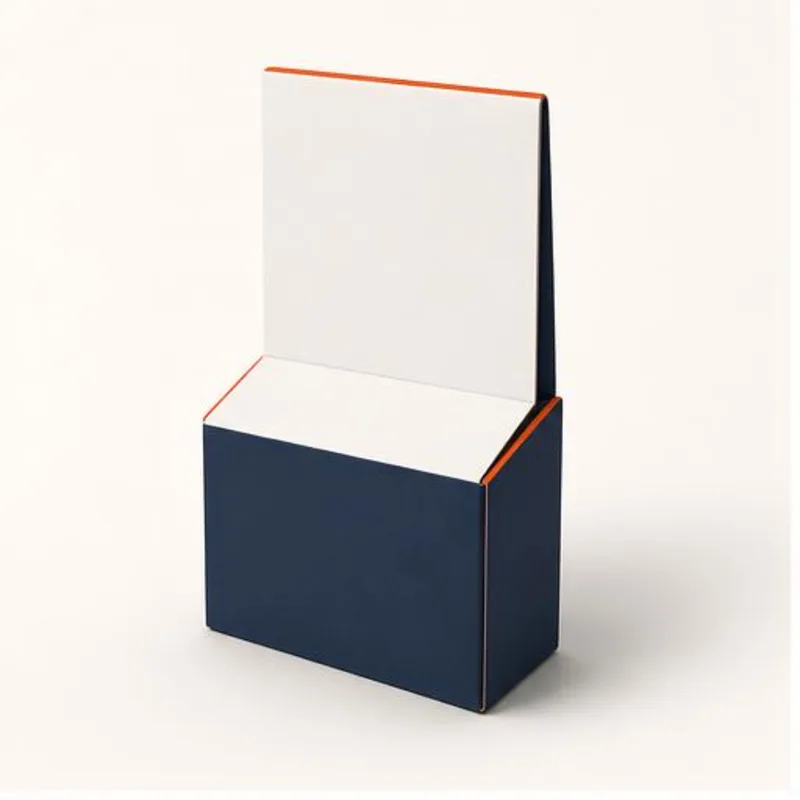
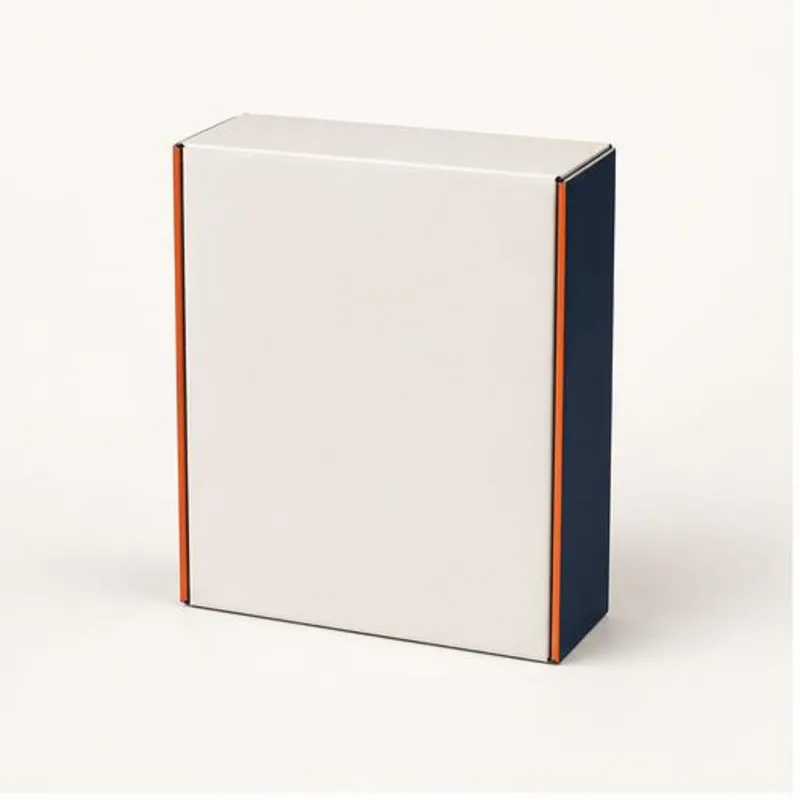
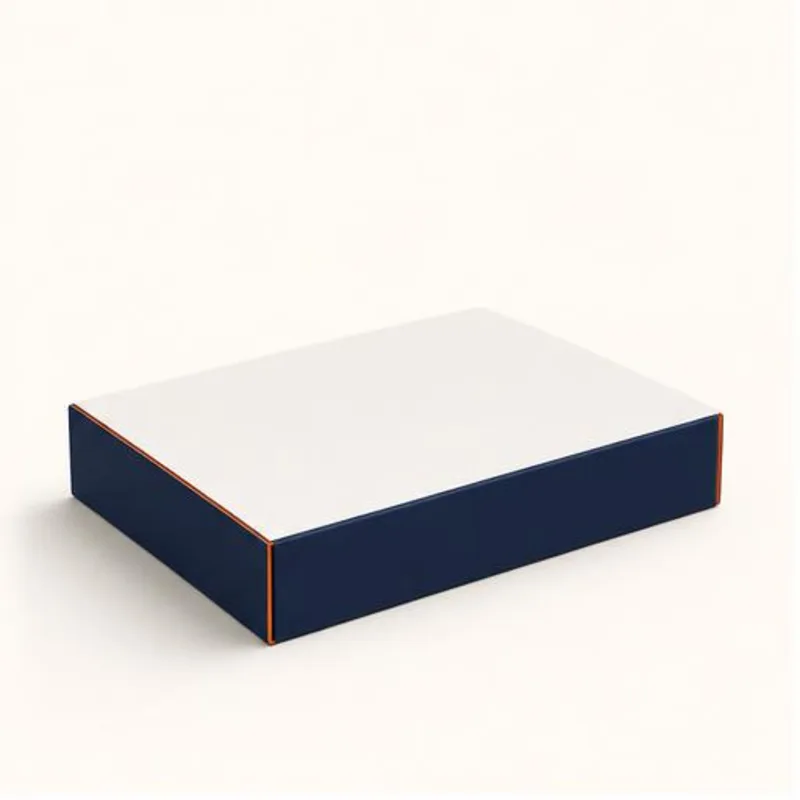
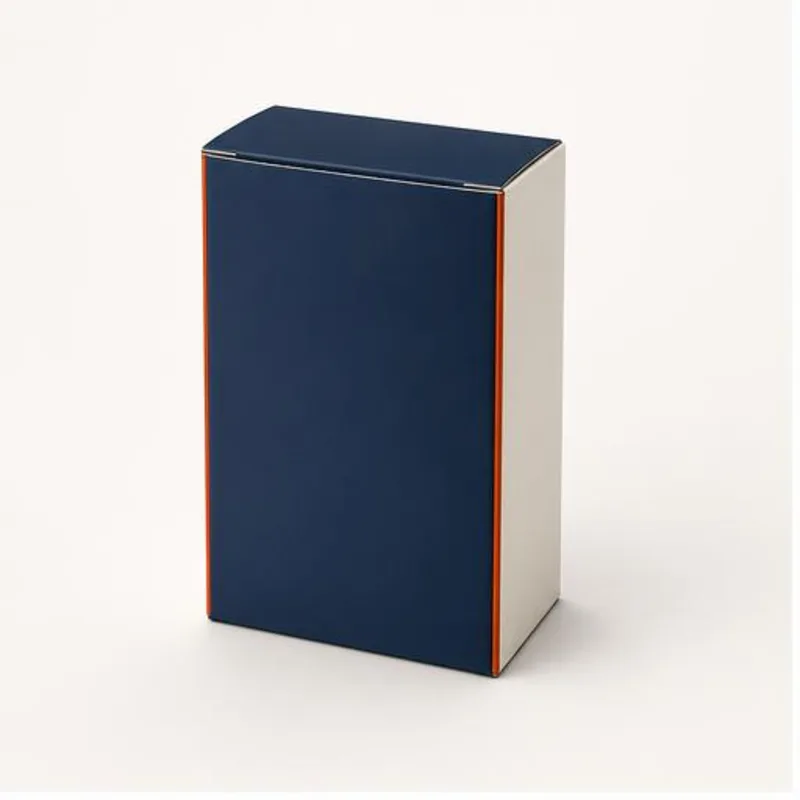
This carton marries a crash-lock 1-2-3 bottom with a tuck-top closure, so a single blank forms both a fast, self-squaring base and a reusable top. Pushing the panels down locks the floor, giving a stable well that resists popping open under normal fill. The tuck top folds down and inserts into the front wall for a flush face that presents print cleanly on a shelf. The pairing can speed line assembly because the base needs no separate gluing at pack-out, while the tuck lets staff or customers reopen the box without tearing it, which can help with restocking and returns.
Good Fit For
- Retail cartons for cosmetics or small electronics
- Repeat-purchase goods that benefit from reclosing
- Fulfillment where quick hand assembly matters
Key Advantages
- Self-locking base squares up in one motion
- Tuck top reopens and recloses cleanly
- Flat front panel presents artwork evenly
Assembly & Construction
The bottom flaps are pre-glued so the flat blank collapses and then crash-locks square when squeezed, forming the floor in a single motion. The top is a scored tuck flap with a dust-flap pair that folds into the front panel to close. Assemblers pop the base, load from the top, and tuck the lid closed, so the design can move quickly on a manual or semi-automatic line without adhesive at the point of fill.
Materials & Board Options
Paperboard is often a natural match for printed retail versions because it folds crisply and holds tuck creases, while denser or heavier contents can call for a stiffer caliper. The right board weight, any coating, and whether a corrugated grade is needed typically depend on the finished size, product mass, artwork, filling speed, and the handling the carton sees in transit, all of which are usually validated on a sample.
Pre-Production Planning Checklist
- Confirm the crash-lock base pops square with your product weight
- Check the tuck-top depth so it reopens without buckling the front
- Verify the front panel keeps artwork flat where the tuck inserts